













































""

Kidney Stones Treatment

Prompt Relief for Kidney Stone Pain

Most kidney stones pass on their own, but passing one can mean hours of severe pain, nausea, and uncertainty about whether it is working. Townsen Physician Group confirms the diagnosis, manages your symptoms, and builds a kidney stones treatment plan that also lowers the chance of another stone.

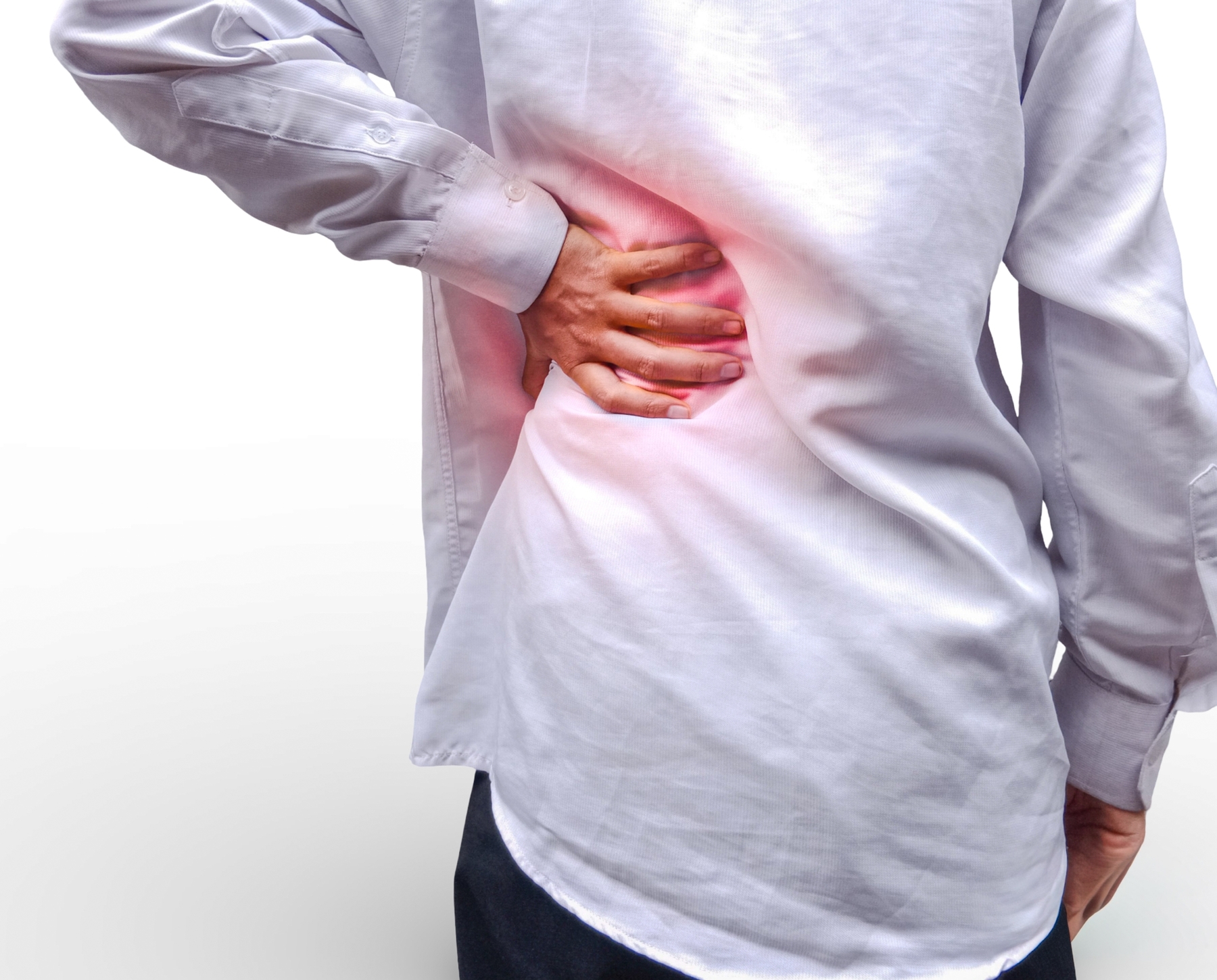
Man with Kidney Pain
Young Man with Kidney Pain
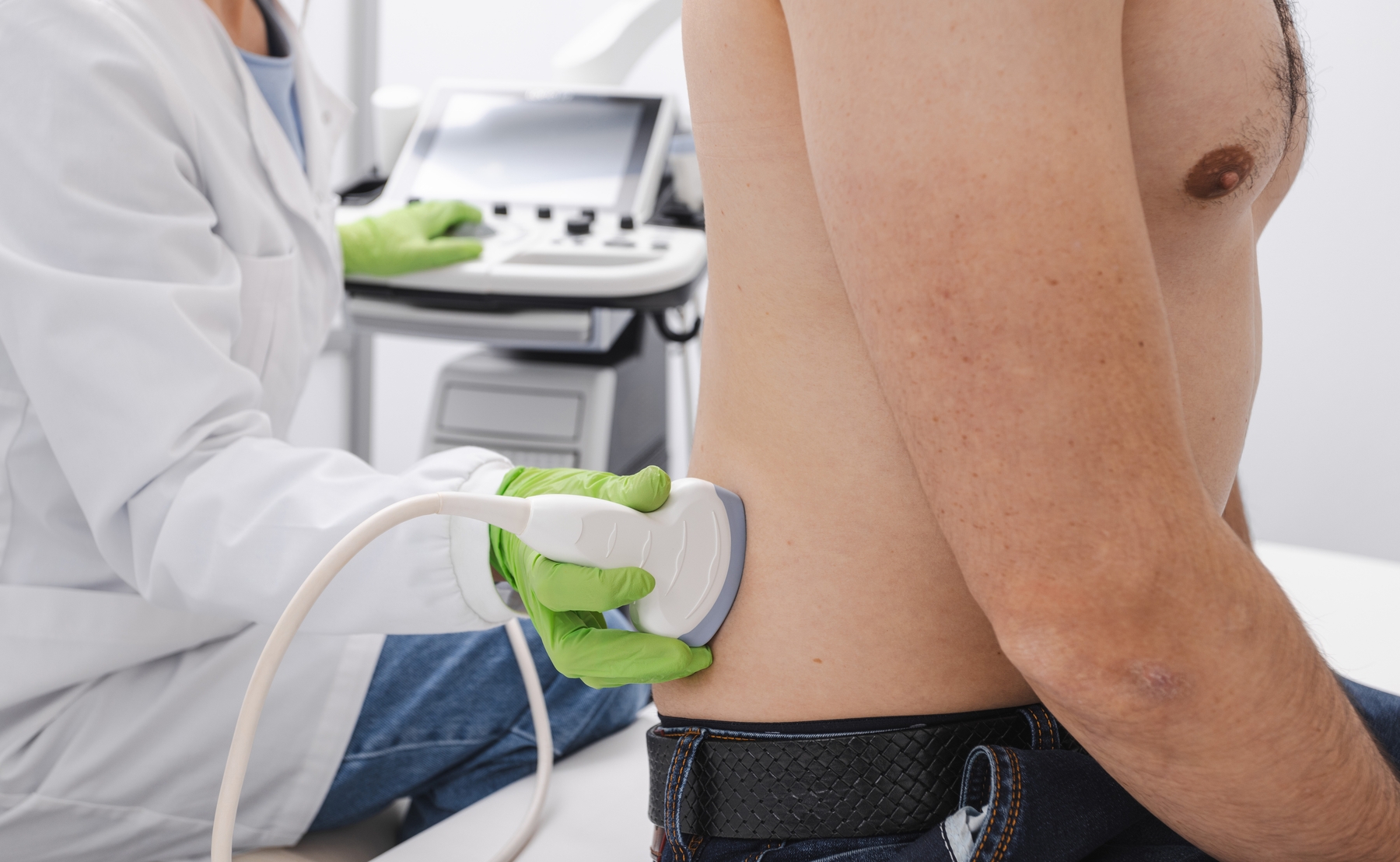
Man Getting Kidney Checked

Effective Kidney Stone Care and Management

Townsen Physician Group evaluates your pain, tests your urine and blood, and arranges imaging to confirm what is causing it, so you know the size and location of the stone and what to expect. We manage pain and nausea, monitor how you pass it, and refer you to a urologist when a stone needs a procedure.

Getting to the Root of the Problem

Severe back or abdominal pain can come from a kidney stone, a urinary infection, a muscle strain, or another condition, so we confirm the cause before we treat it. Townsen Physician Group reviews your symptoms, examines you, and orders urine tests, blood work, and imaging as needed. Those results show whether a stone is present, how large it is, and whether an infection or kidney problem needs attention too.

Symptom Relief While You Pass the Stone

Most small stones pass without a procedure, so relief during that time matters. Townsen Physician Group discusses pain control, anti-nausea options, fluids, and medication that can help a stone move when appropriate. We explain what to expect, how long passage often takes, and which symptoms mean you should stop waiting and seek urgent care right away.

Prevention and Specialist Referral

A stone that has formed once can form again, and larger stones sometimes need more than waiting. Townsen Physician Group coordinates referrals to a urologist when a stone is too large, stuck, or causing repeated problems. We also review your diet, fluid intake, and medical history to lower the chance of another stone, and we follow up after you pass it.

Everything You Need to Know Before Your Visit

When to Seek Emergency Care Immediately

A kidney stone can block urine flow and lead to infection or kidney damage, and those complications need emergency treatment instead of a scheduled visit. If you have any of the following, call 911 or go to the nearest emergency room.

  • Back or abdominal pain with fever or chills
  • Severe pain that you cannot control or that keeps you from sitting still
  • Vomiting that prevents you from keeping fluids down
  • Little or no urine, or an inability to urinate
  • Dizziness, fainting, or a rapid heartbeat with blood in your urine
  • Any stone symptoms if you have only one working kidney

An infected, blocked kidney can worsen within hours. Do not wait for an appointment.

What Are Kidney Stones?

Kidney stones are hard deposits of minerals and salts that form inside the kidneys. Small stones often pass through the urinary tract without help, while larger ones can block urine flow and cause severe pain.

Identifying a stone's size and location is what makes kidney stones treatment effective, since a small stone and a blocking stone need very different care.

Common Risk Factors

  • Not drinking enough fluids
  • A diet high in sodium, animal protein, or sugar
  • A personal or family history of kidney stones
  • Obesity, diabetes, or certain digestive conditions
  • Some medications and supplements
  • Repeated urinary infections, which our team treats under UTI treatment

Common Symptoms

  • Sharp pain in your back, below the ribs, that comes in waves and feels different from ordinary back pain
  • Pain that spreads to the lower abdomen or groin
  • Pain or burning when you urinate
  • Pink, red, or brown urine
  • A frequent urge to urinate in small amounts
  • Nausea and vomiting

What's Included in Your Evaluation

  • A review of your symptoms, past stones, and family history
  • An exam that includes your temperature and blood pressure
  • A urine test for blood, infection, and crystals
  • Blood work to check your kidney function
  • Imaging to confirm the size and location of the stone
  • A plan for pain control, follow-up, and prevention

Treatment Options

Kidney stones treatment usually begins with symptom control and time to pass the stone, and we add more involved options only if the stone does not move.

  • Fluid guidance to help flush the urinary tract
  • Pain relievers and anti-nausea medication
  • Medication that helps a stone pass, when appropriate
  • Straining your urine to catch the stone for analysis
  • Referral to a urologist for stone removal or breakup
  • Diet and fluid changes to prevent new stones

Repeated stones can affect kidney health, so we also offer chronic kidney disease monitoring when your kidney function needs tracking.

What to Expect During Your Visit

Symptom History

We ask where the pain is, how long it has lasted, and whether you have seen blood in your urine or had a stone before.

Exam and tests

We check your vital signs, examine your abdomen and back, and collect a urine sample.

Imaging and labs

We order the blood work and imaging that confirm whether a stone is present and where it sits.

Plan or referral

You leave with a pain plan and clear next steps, or a coordinated referral to a urologist.

    Already a patient? Access the Patient Portal here.

    Walk Through Our Practice

    Take a look inside Townsen Physician Group. These photos capture our care team, our Houston office, and the day-to-day moments that make each patient visit feel personal, calm, and welcoming.

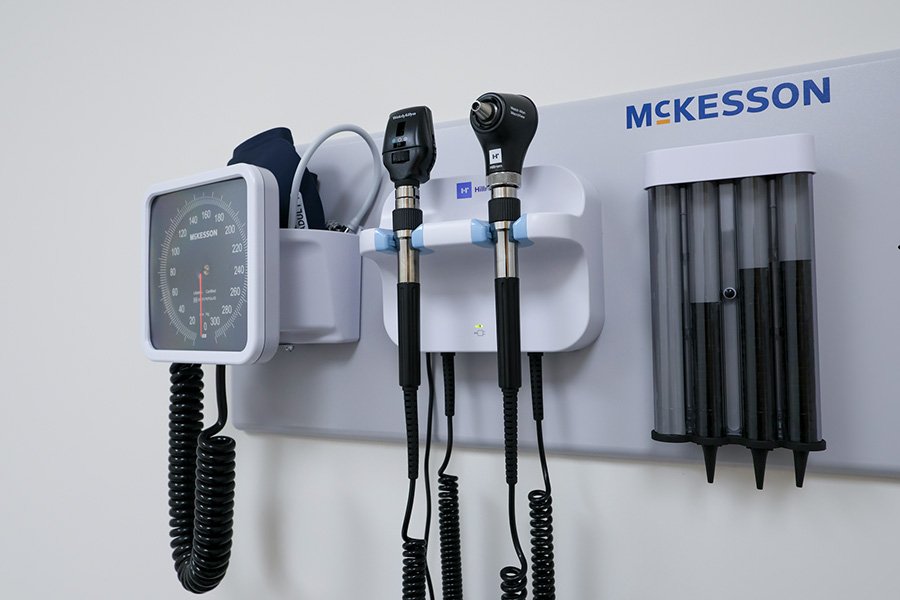
    Townsen Physician Group blood pressure cuff and exam room diagnostic instruments
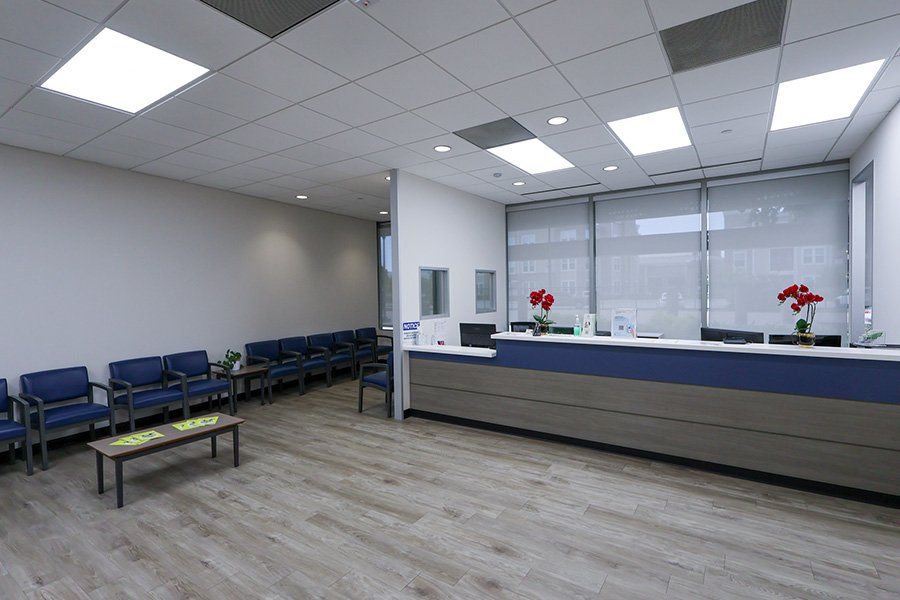
    Townsen Physician Group check in counter and waiting room at the Westchase clinic
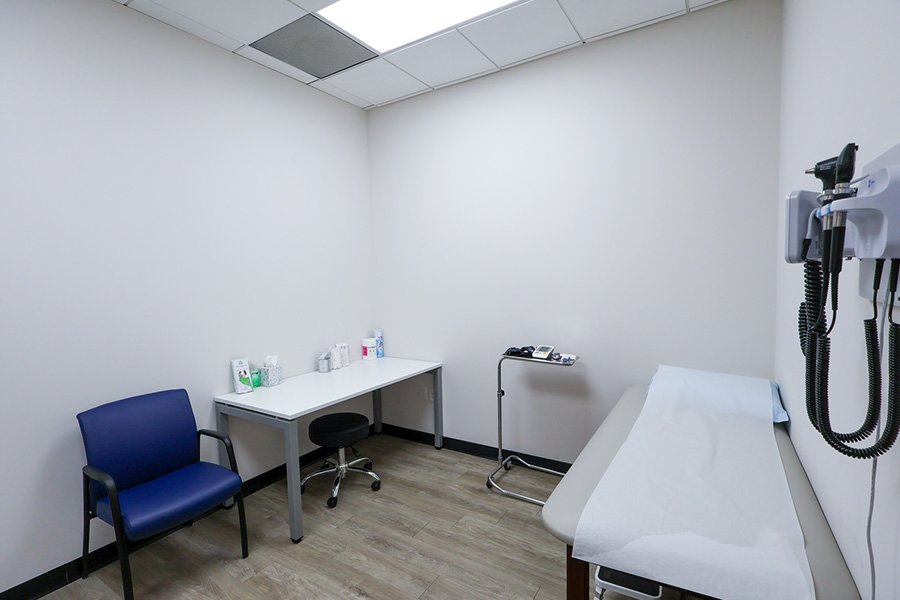
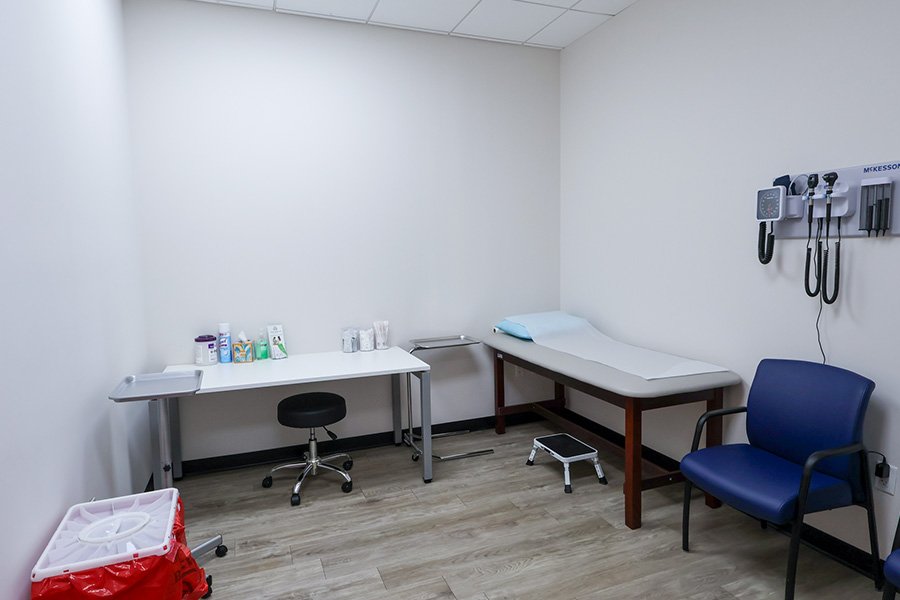
    Townsen Physician Group exam room with patient table at the Westchase clinic in Houston
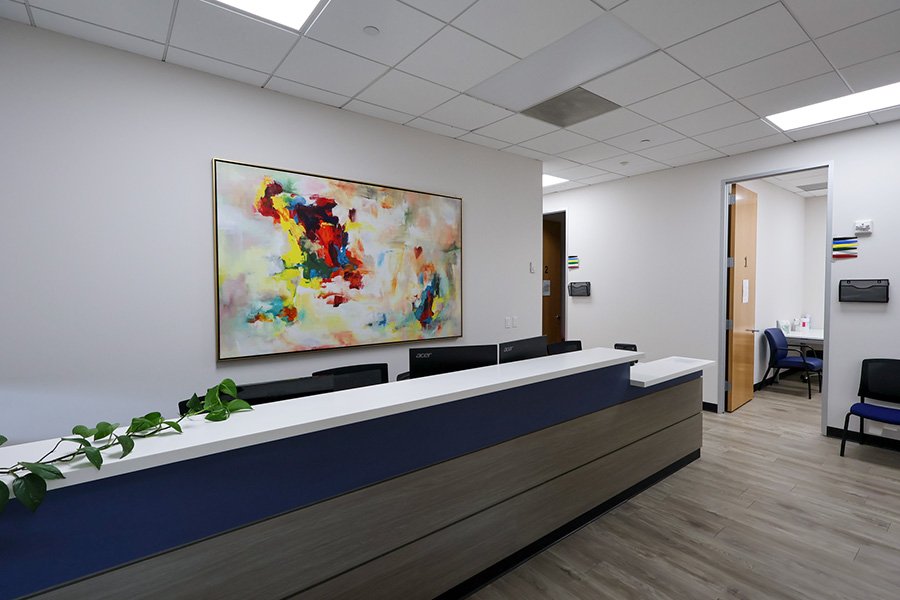
    Townsen Physician Group front desk and exam room entrances at the Westchase clinic
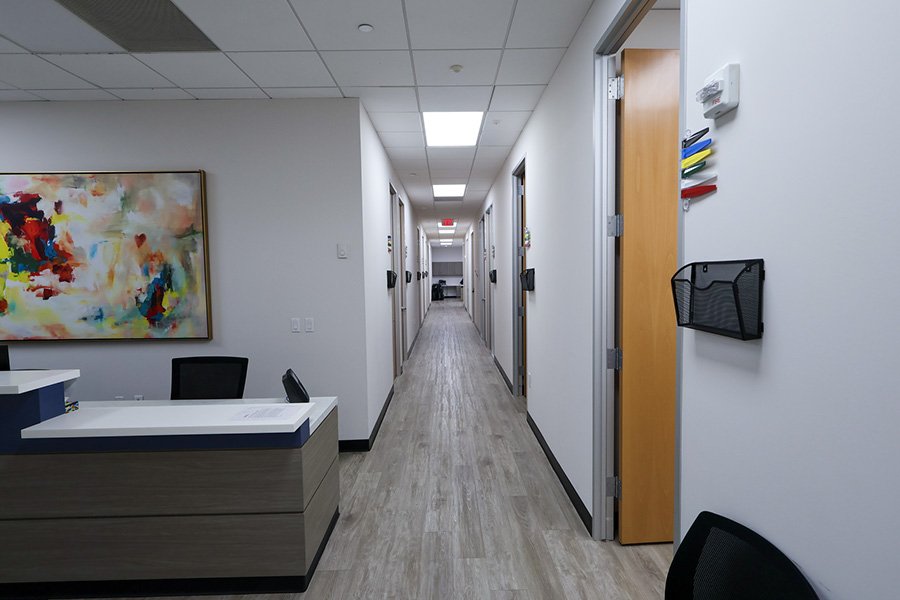
    Townsen Physician Group hallway to the exam rooms at the Westchase clinic in Houston
    Townsen Physician Group office building lobby at 6002 Rogerdale Road in Houston
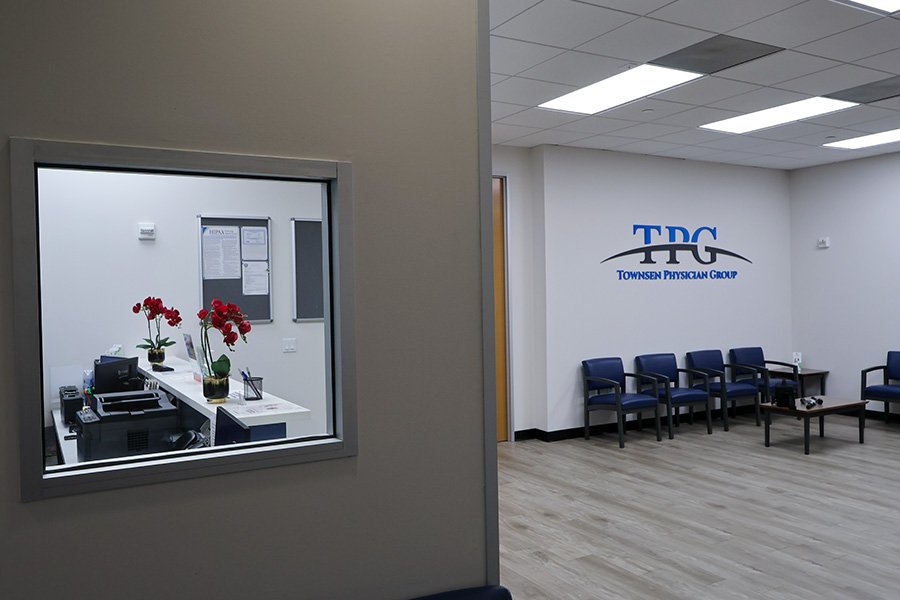
    Townsen Physician Group patient check in window looking into the lobby in Houston
    Townsen Physician Group patient seating beside the logo wall at the Westchase clinic
    Townsen Physician Group reception desk and hallway at the Westchase clinic in Houston
    Townsen Physician Group second exam room ready for a visit at the Westchase clinic
    Townsen Physician Group waiting area and logo wall at the Westchase clinic in Houston

      Frequently Asked Questions

      What does kidney stones treatment involve at Townsen Physician Group?

      Treatment at Townsen Physician Group starts with a symptom history, an exam, and a urine test, followed by blood work and imaging to confirm whether a stone is present. Those results tell us the stone's size and location and whether an infection is also involved.

      We then build a plan around that finding. Most small stones pass with pain control, anti-nausea medication, and fluids, so we monitor your progress and follow up. If a stone is too large or causes repeated problems, we refer you to a urologist.

      How can I tell a kidney stone from back pain?

      Kidney stone pain usually feels sharper and more intense than muscle-related back pain, and it often comes in waves. It typically sits in your back below the ribs and can spread to the lower abdomen or groin. Muscle pain tends to change when you move.

      Blood in the urine, nausea, and a constant urge to urinate point toward a stone, while stiffness after lifting points toward a strain. Because the two can overlap, we examine you and test your urine before we settle on a cause.

      How long does it take to pass a kidney stone?

      A small kidney stone often passes within a few days to a few weeks, depending on its size and where it sits in the urinary tract. Smaller stones move faster, and drinking plenty of fluids helps the process along.

      Pain that is not improving, a stone that has not passed after several weeks, or any sign of infection means you should see a provider. We check your progress, repeat imaging when needed, and refer you to a urologist if the stone is stuck.

      Can I pass a kidney stone at home?

      Yes, many small stones pass at home with fluids, pain relievers, and rest. Strain your urine so you can catch the stone, because testing it helps us understand why it formed and how to prevent another one.

      Home care works only when the pain stays manageable and you have no fever, no repeated vomiting, and no trouble urinating. If any of those appear, go to the emergency room. We still recommend an evaluation first, so a stone does not go undiagnosed.

      What size kidney stone needs a procedure?

      Stones smaller than about 5 millimeters usually pass on their own, while stones larger than about 10 millimeters rarely do. Stones in between can go either way, depending on their location and how much pain they cause.

      A stone also needs a procedure if it blocks urine flow, causes infection, or does not move over time. We confirm the size with imaging and coordinate a referral to a urologist when a stone needs removal or breakup.

      What foods and drinks help prevent kidney stones?

      Drinking enough water is the most effective step, because dilute urine makes it harder for stones to form. Many people aim for pale, light-yellow urine throughout the day, and we help you set a fluid goal that fits your health.

      Eating less sodium and moderating animal protein also lowers stone risk, and normal amounts of dietary calcium help instead of hurt. The right changes depend on the type of stone you had, so we review your history and testing before we recommend a diet plan.

      Is Townsen Physician Group a good option for kidney stones treatment if I already went to the ER?

      Yes, Townsen Physician Group provides the follow-up that an emergency visit often does not. We review your discharge records, confirm what the ER found, and check whether the stone has passed or still needs attention.

      We also manage ongoing pain, order repeat testing when needed, and refer you to a urologist if the stone remains. Then we work on prevention, so you leave with a plan to lower the chance of another stone.

      What kidney stone symptoms need urgent evaluation?

      Call 911 or go to the nearest emergency room if you have back or abdominal pain with fever or chills, severe pain you cannot control, vomiting that stops you from keeping fluids down, or little to no urine. These symptoms can signal a blocked or infected kidney.

      Contact our office promptly for milder warning signs, such as blood in your urine or pain that keeps returning. We offer same-day visits when possible, but emergencies should never wait for an appointment, so go to the emergency room first if you are unsure.

      Does Townsen Physician Group accept insurance for kidney stone evaluation?

      Yes, Townsen Physician Group accepts most major plans, including Aetna, United Healthcare, BlueCross BlueShield, Medicare, HealthSmart, Cigna, and Superior HealthPlan. Coverage varies by plan, so confirm your benefits before your visit.

      Our front office team answers coverage questions and tells you what to bring to your appointment. If you are unsure whether insurance covers imaging or a urology referral, we help you understand your options before you commit to the next step.

      How do I schedule a visit for a kidney stone?

      You can schedule a kidney stone visit online through our scheduling page, which shows open appointment times. Pick the visit type that fits your symptoms and add a short note about where the pain is and when it started.

      You can also call our office, and our team will help you find a time that works for you. We offer same-day sick visits when possible, so tell us if your pain started within the last few days.

      Already a patient? Access the Patient Portal here.

      ""

      Book an Evaluation Before Stone Pain Returns

      At Townsen Physician Group, we promise honest care, clear communication, and outcomes that put you first. From the first test to a prevention plan, our team helps you pass the stone and lower the chance of the next one. To start kidney stones treatment with a confirmed diagnosis, book your appointment with Townsen Physician Group today.
      Already a patient? Access the Patient Portal here.

      United Care for Patients and Physicians

      Townsen Physician Group brings patients and Houston physicians together under one shared purpose: compassionate, whole-person care supported by a strong, collaborative medical community. This united mission strengthens trust, elevates care, and creates a healthcare experience where everyone feels empowered.