















































""

Hearing Test

Clearer Hearing Starts With Proper Care

Do you keep asking people to repeat themselves, or turn the television up a little more each month? Hearing changes usually arrive slowly, which makes them easy to miss until someone points them out. Townsen Physician Group checks your ears, screens your hearing, and arranges a full hearing test when you need one.

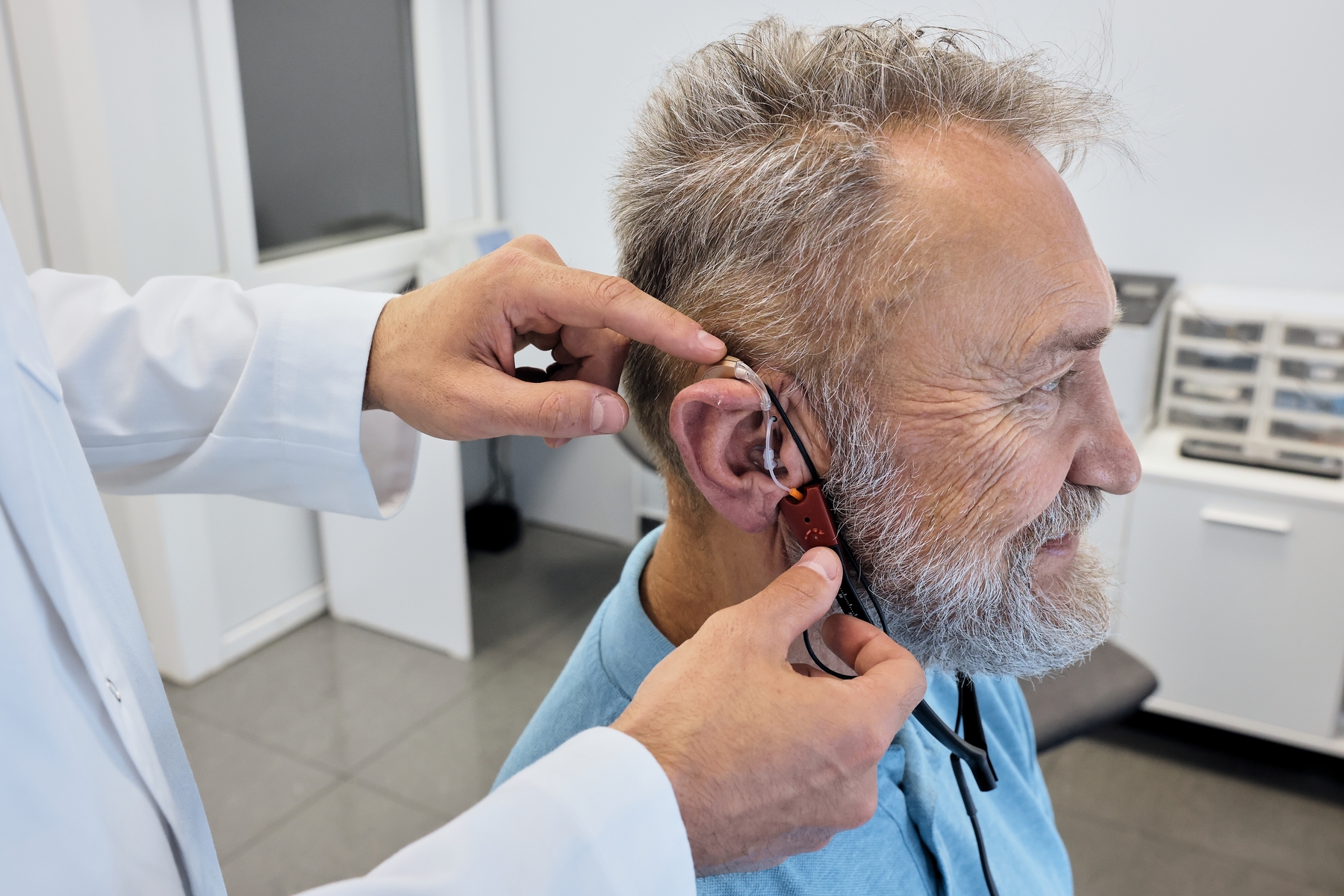
Male Doctor Checking Male Patient's Ear
Elderly Man with Hearing Test
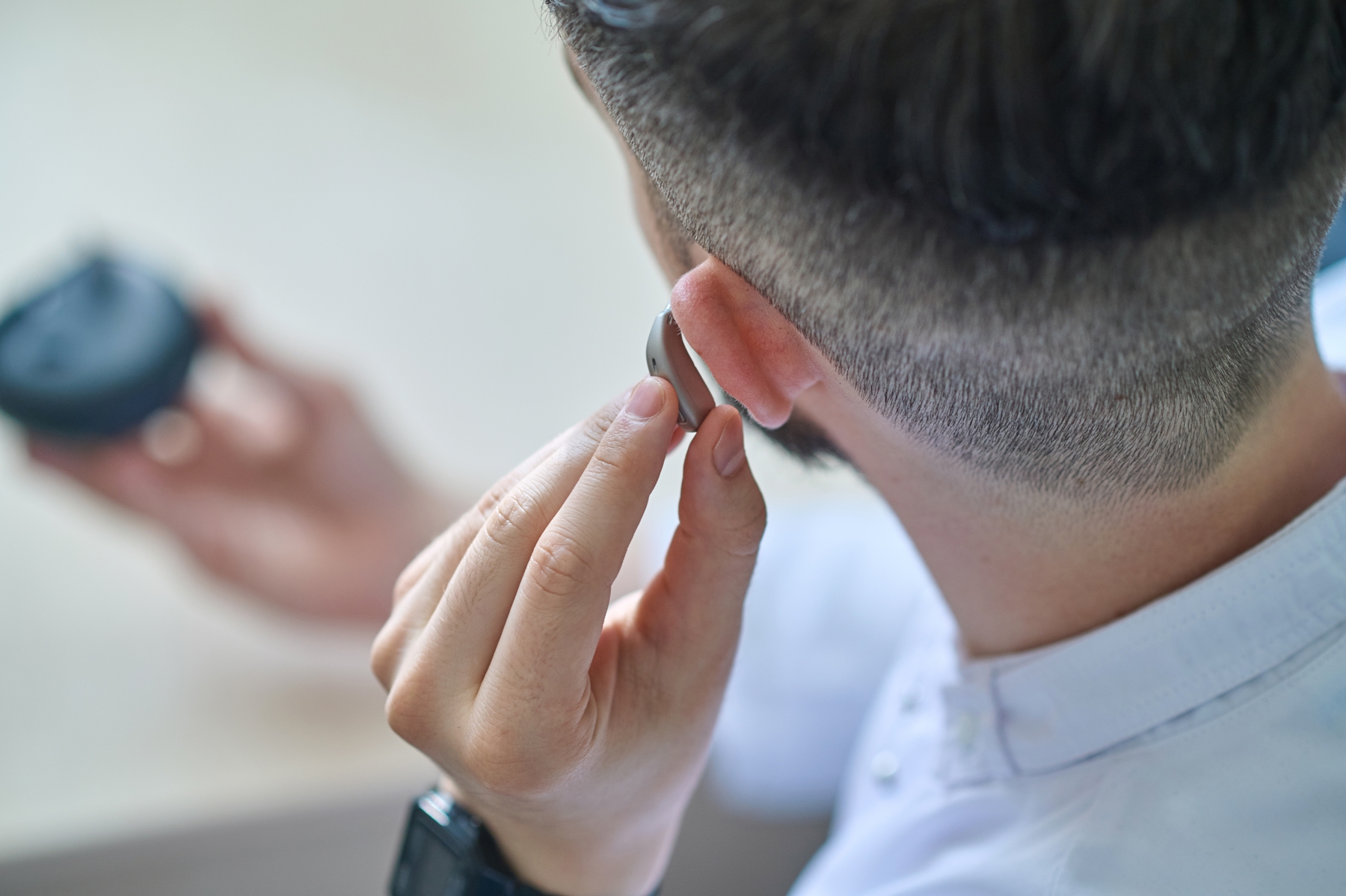
Young Man with Hearing Aid

Complete Evaluation for Every Hearing Concern

Townsen Physician Group examines your ears, screens your hearing, and reviews your health history, medications, and noise exposure to look for the cause of a change. We treat what we can, such as wax buildup or infection, and coordinate referrals to an audiologist or ENT specialist when you need more testing.

Checking Your Ears for Common Causes

Hearing loss does not always mean permanent damage. Earwax buildup, fluid behind the eardrum, and infection can all muffle sound, and each one is treatable. Townsen Physician Group looks inside your ears, checks your eardrums, and reviews your symptoms to find these causes first, so you do not pursue advanced testing before you need it. Clearing a simple cause often restores hearing quickly.

A Review of Your Whole Health

Hearing connects to the rest of your health. Certain medications, diabetes, high blood pressure, and circulation problems can all affect the ears. Townsen Physician Group reviews your history and current medications, checks your blood pressure, and links hearing changes to conditions we already manage, so your care addresses more than a single symptom.

Referrals to the Right Specialist

When your screening points to hearing loss, you need diagnostic testing from an audiologist. Townsen Physician Group coordinates that referral, plus a referral to an ENT specialist when your ears need a closer look. We share your history so you do not start over, and we follow up on the results and explain your next steps, including hearing aids if an audiologist recommends them.

Everything You Need to Know Before Your Visit

When to Seek Emergency Care Immediately

Gradual hearing changes can wait for a scheduled visit, but sudden changes cannot. If you have any of the following, call 911 or go to the nearest emergency room.

  • Sudden hearing loss in one or both ears
  • Hearing loss after a head injury or a loud blast
  • Hearing loss with severe dizziness, spinning, or trouble walking
  • Hearing loss with facial drooping, weakness, or numbness
  • Hearing loss with fever, a stiff neck, or a severe headache

Sudden hearing loss is time sensitive, and treatment works best when it starts within the first few days. Do not wait to see whether it returns.

Why Do Hearing Changes Happen?

Hearing depends on sound traveling through the outer ear, eardrum, and middle ear to the inner ear and nerve. A problem anywhere along that path can reduce how well you hear.

Matching the cause to your results is what makes a hearing test useful, since earwax and nerve damage need very different care.

  • Earwax buildup that blocks the ear canal
  • Ear infection or fluid behind the eardrum, which our team treats under ear infection treatment
  • Long-term exposure to loud noise
  • Age-related changes in the inner ear
  • Medications that affect hearing
  • A head injury or a ruptured eardrum

Common Signs of Hearing Loss

  • Asking people to repeat themselves
  • Trouble following conversations in noisy places
  • Turning up the television or phone volume
  • Difficulty understanding phone calls
  • Ringing in the ears, which our team evaluates under tinnitus management
  • Dizziness or balance changes, which we assess in a vertigo and dizziness evaluation

What's Included in Your Hearing Evaluation

  • A review of when you noticed changes and which ear or ears changed
  • An ear exam to check for wax, fluid, and infection
  • A hearing screening to check how you respond to sound
  • A review of your medications, noise exposure, and medical history
  • A discussion of whether you need diagnostic testing from an audiologist

Your Options After Screening

A hearing test result guides the next step, and your options depend on what the screening shows.

  • Earwax management when buildup blocks the ear canal
  • Treatment for ear infection or fluid
  • A medication review for drugs that affect hearing
  • Hearing protection guidance for noisy work or hobbies
  • Referral to an audiologist for diagnostic testing and a hearing aid evaluation
  • Referral to an ENT specialist for a closer look

Our ENT screening also reviews related ear, nose, and throat concerns when your symptoms involve more than hearing.

What to Expect During Your Visit

Symptom History

We ask when you noticed changes, which ear changed, and whether you have ringing, pain, or dizziness.

Ear Exam

We look inside your ears for wax, fluid, infection, or damage to the eardrum.

Hearing Screening

We check how well you respond to sound and compare results between your ears.

Plan or referral

You leave with a treatment plan, or a coordinated referral to an audiologist or ENT specialist.

    Already a patient? Access the Patient Portal here.

    Meet Our Team and See Our Office

    Take a look inside Townsen Physician Group. These photos capture our care team, our Houston office, and the day-to-day moments that make each patient visit feel personal, calm, and welcoming.

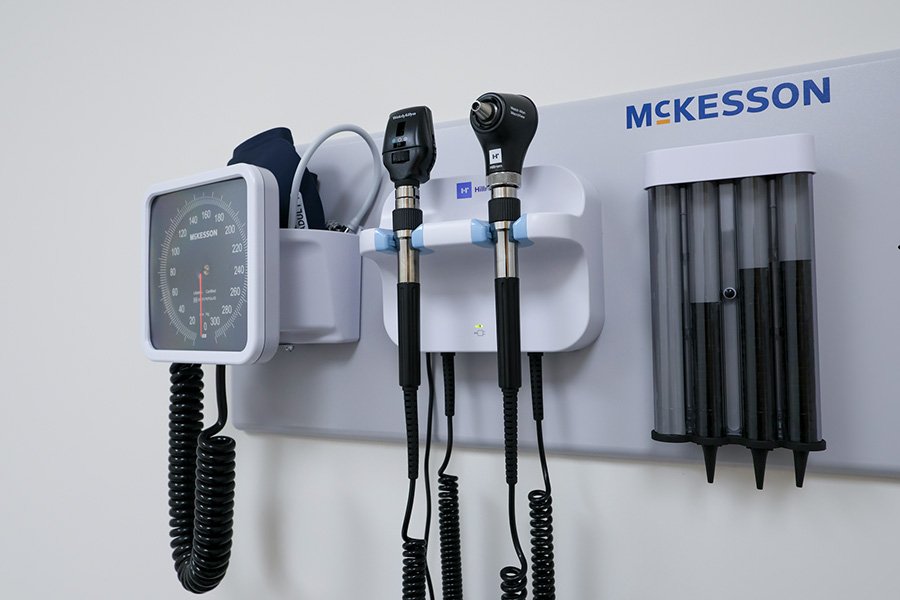
    Townsen Physician Group blood pressure cuff and exam room diagnostic instruments
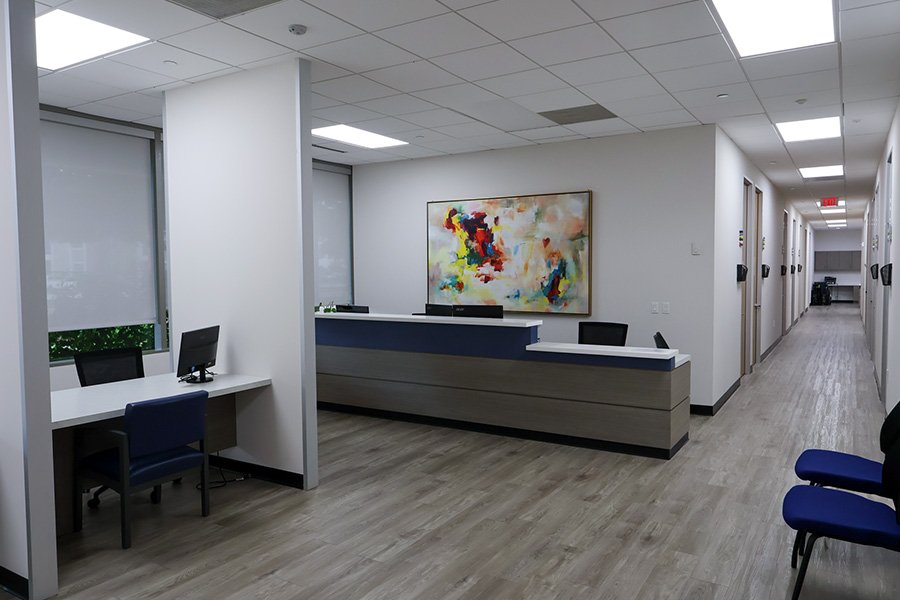
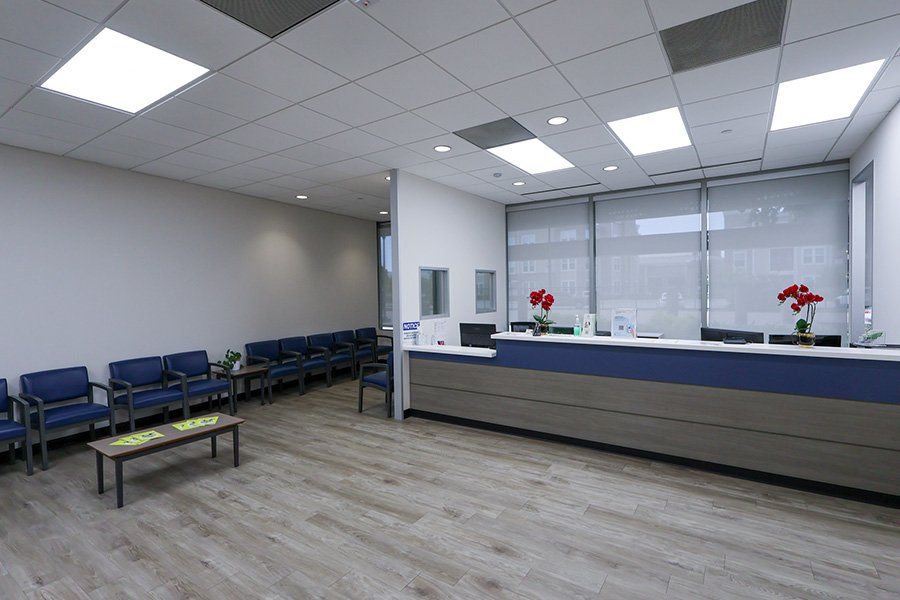
    Townsen Physician Group check in counter and waiting room at the Westchase clinic
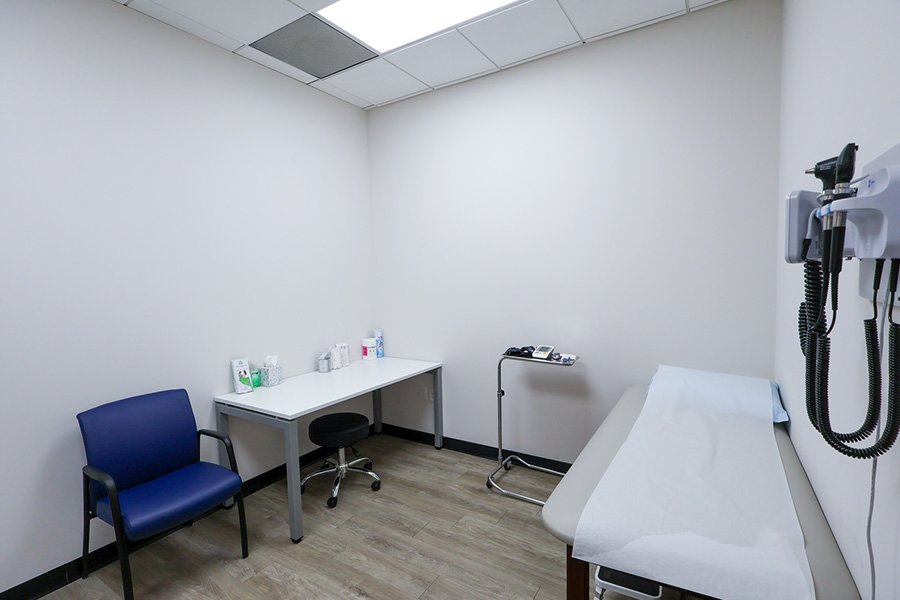
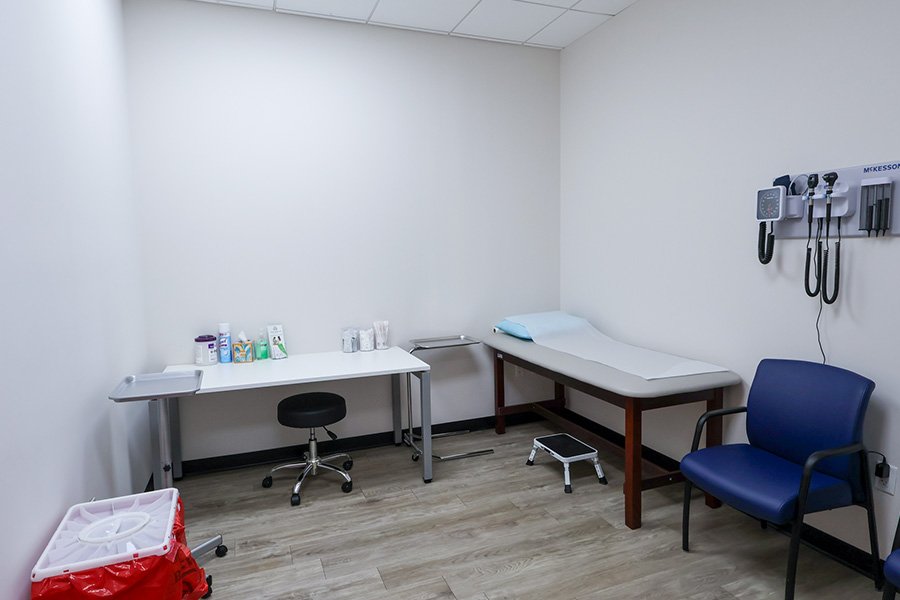
    Townsen Physician Group exam room with patient table at the Westchase clinic in Houston
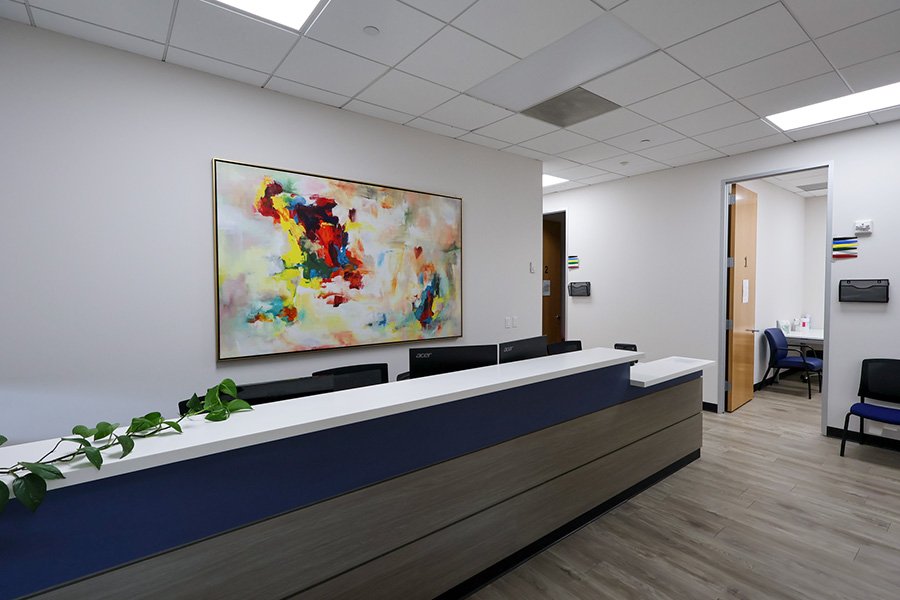
    Townsen Physician Group front desk and exam room entrances at the Westchase clinic
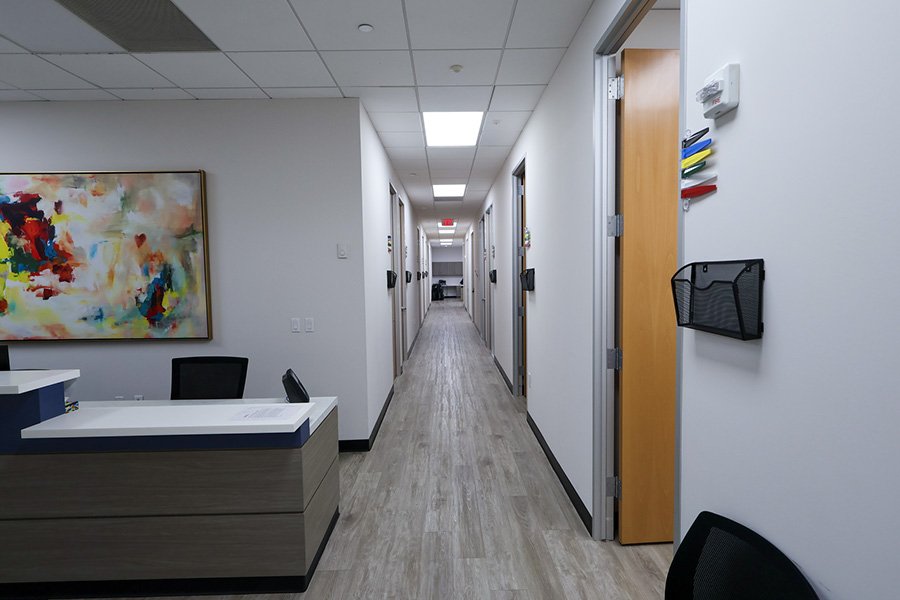
    Townsen Physician Group hallway to the exam rooms at the Westchase clinic in Houston
    Townsen Physician Group office building lobby at 6002 Rogerdale Road in Houston
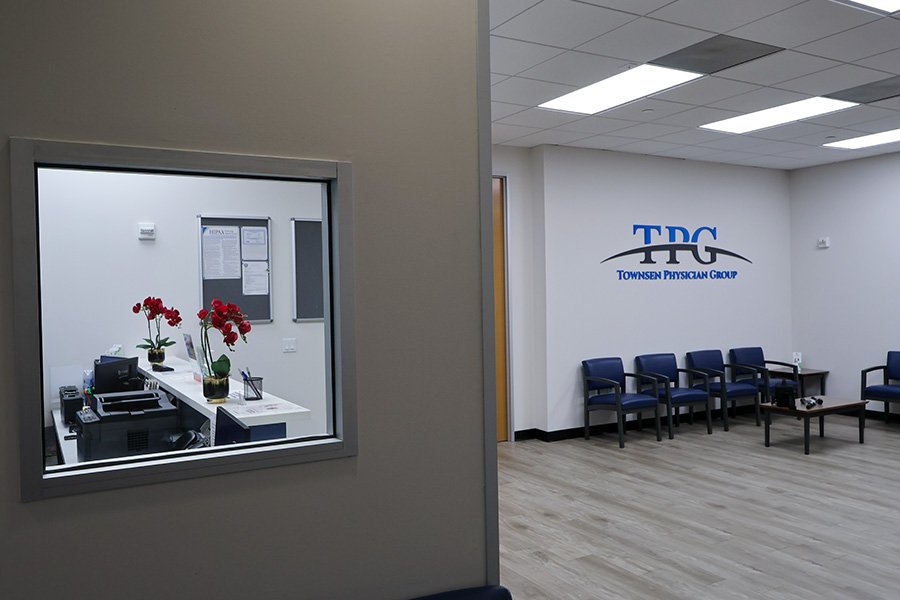
    Townsen Physician Group patient check in window looking into the lobby in Houston
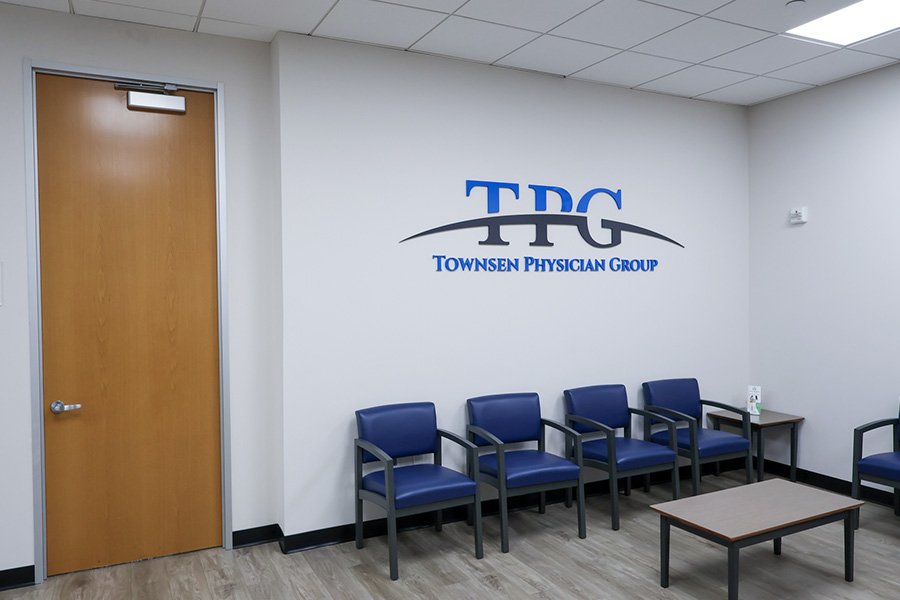
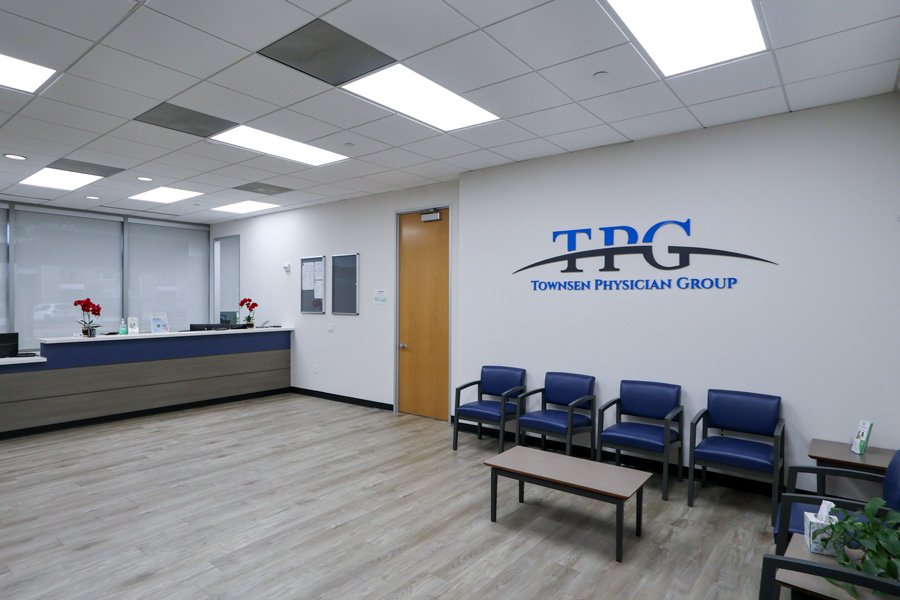
    Townsen Physician Group patient seating beside the logo wall at the Westchase clinic
    Townsen Physician Group reception desk and hallway at the Westchase clinic in Houston
    Townsen Physician Group second exam room ready for a visit at the Westchase clinic
    Townsen Physician Group waiting area and logo wall at the Westchase clinic in Houston

      Frequently Asked Questions

      What does a hearing test involve at Townsen Physician Group?

      Hearing care at Townsen Physician Group starts with a symptom history, an ear exam, and a hearing screening. We ask when you noticed changes, look inside your ears for wax, fluid, and infection, and compare how well each ear responds to sound.

      If the screening shows a problem, we coordinate diagnostic testing with an audiologist. Then we review the results with you, treat any medical cause we find, and explain whether you need hearing aids, an ENT visit, or ongoing monitoring over time.

      What are the signs of hearing loss?

      Common signs include asking people to repeat themselves, struggling to follow conversations in noisy places, and turning up the television or phone volume. Voices may sound muffled, phone calls may become harder to understand, and background noise may feel overwhelming.

      Ringing in the ears, a feeling of fullness, and dizziness can also point to a hearing problem. Because hearing changes happen gradually, family members often notice them before you do, so take it seriously if someone close to you mentions it.

      How often should adults get their hearing checked?

      Many guidelines recommend a hearing screening at least once every ten years through age 50 and every three years after that. You should get checked sooner if you notice any change, work around loud noise, or take medications that can affect your hearing.

      A screening takes only a few minutes, and it gives you a baseline for later comparison. We can include a hearing check during an annual visit, so you do not need to schedule a separate appointment just for your ears.

      Can earwax cause hearing loss?

      Yes, earwax buildup can block the ear canal and cause muffled hearing, a feeling of fullness, or mild ear discomfort. It is one of the most common and most treatable causes of reduced hearing in adults, and it often develops slowly enough that you do not notice.

      Avoid cotton swabs and other tools, because they often push wax deeper into the canal. We examine your ears to confirm that wax is the problem, and we recommend safe removal or refer you to a specialist if the blockage needs more than a simple approach.

      What is the difference between a hearing screening and a diagnostic hearing evaluation?

      A hearing screening is a quick check that shows whether you respond to sound at expected levels. It tells us whether you likely have a hearing problem, but it does not measure the exact type, degree, or pattern of your hearing loss.

      A diagnostic evaluation, performed by an audiologist, measures how well you hear at different pitches and volumes. We start with the screening and ear exam, then refer you for diagnostic testing when your results, symptoms, or history call for a closer look.

      Can an ear infection affect my hearing?

      Yes, an ear infection can temporarily reduce your hearing in one or both ears. Fluid and swelling behind the eardrum limit how well it vibrates, so sounds seem muffled and distant until the infection clears and the fluid drains.

      Hearing usually returns to normal after treatment. If muffled hearing lasts more than a few weeks after an infection, or if infections keep returning, we examine your ears again, check for lingering fluid, and refer you to an ENT specialist when needed.

      Is Townsen Physician Group a good option for a hearing test if I already had one elsewhere?

      Yes, Townsen Physician Group can help when you already have results from another provider. Bring a copy of your report, and we review it alongside your symptoms, current medications, and complete medical history to see the full picture.

      We check for medical causes that testing alone can miss, such as wax, infection, or a medication effect. We also help you decide whether you need repeat testing, a specialist visit, or simple monitoring over time, so you do not repeat steps you have already taken.

      What hearing changes need urgent evaluation?

      Call 911 or go to the nearest emergency room if you have sudden hearing loss, hearing loss after a head injury, or hearing loss with severe dizziness, facial weakness, fever, or a stiff neck. Sudden loss is time sensitive, and treatment works best when it starts early.

      Contact our office promptly for gradual changes that are getting worse, new ringing in one ear, or hearing that does not recover after an illness. We offer same-day visits when possible, but emergencies should never wait for an appointment.

      Does Townsen Physician Group accept insurance for hearing evaluation?

      Yes, Townsen Physician Group accepts most major plans, including Aetna, United Healthcare, BlueCross BlueShield, Medicare, HealthSmart, Cigna, and Superior HealthPlan. Coverage varies by plan, so confirm your benefits before your visit to avoid surprises.

      Plans often treat screening, diagnostic testing, and hearing aids differently. Our front office team answers coverage questions and tells you what to bring, and we help you understand your options if you need a referral to an audiologist.

      How do I schedule a visit for hearing concerns?

      You can schedule a visit online through our scheduling page, which shows open appointment times. Pick the visit type that fits your symptoms and add a short note about which ear has the problem and how long you have noticed changes.

      You can also call our office, and our team will help you find a time that works for you. Tell us if your hearing changed suddenly, because we prioritize those visits and can often see you the same day when possible.

      Already a patient? Access the Patient Portal here.

      ""

      Book a Time to Check Your Hearing

      At Townsen Physician Group, we promise honest care, clear communication, and outcomes that put you first. From an ear exam to a referral for diagnostic testing, our team helps you understand what is changing and what to do about it. To schedule a hearing test with a clear next step, book your appointment with Townsen Physician Group today.
      Already a patient? Access the Patient Portal here.

      United Care for Patients and Physicians

      Townsen Physician Group brings patients and Houston physicians together under one shared purpose: compassionate, whole-person care supported by a strong, collaborative medical community. This united mission strengthens trust, elevates care, and creates a healthcare experience where everyone feels empowered.