



























Diabetes Management Doctor in Houston

Helping You Manage Your Numbers and Build Healthier Habits

Managing diabetes is a daily commitment, but you do not have to manage it alone. At Townsen Physician Group, our Houston primary care providers partner with adult patients to monitor blood sugar, manage A1C levels, adjust medications when appropriate, and support healthier long-term outcomes.

If you are looking for a diabetes management doctor in Houston, our team can help you understand your numbers, build realistic lifestyle goals, and stay on track with regular follow-ups. Whether you were recently diagnosed or have been managing diabetes for years, having a trusted doctor for diabetes management can make your care feel more organized, proactive, and personalized.

A1C monitoring and management Adult patients only Most insurance accepted

Already a patient? Access the Patient Portal here.

Doctor applying a continuous glucose monitor sensor on a patient's arm at Townsen Physician Group in Houston
Female doctor checking a patient's blood levels at Townsen Physician Group in Houston
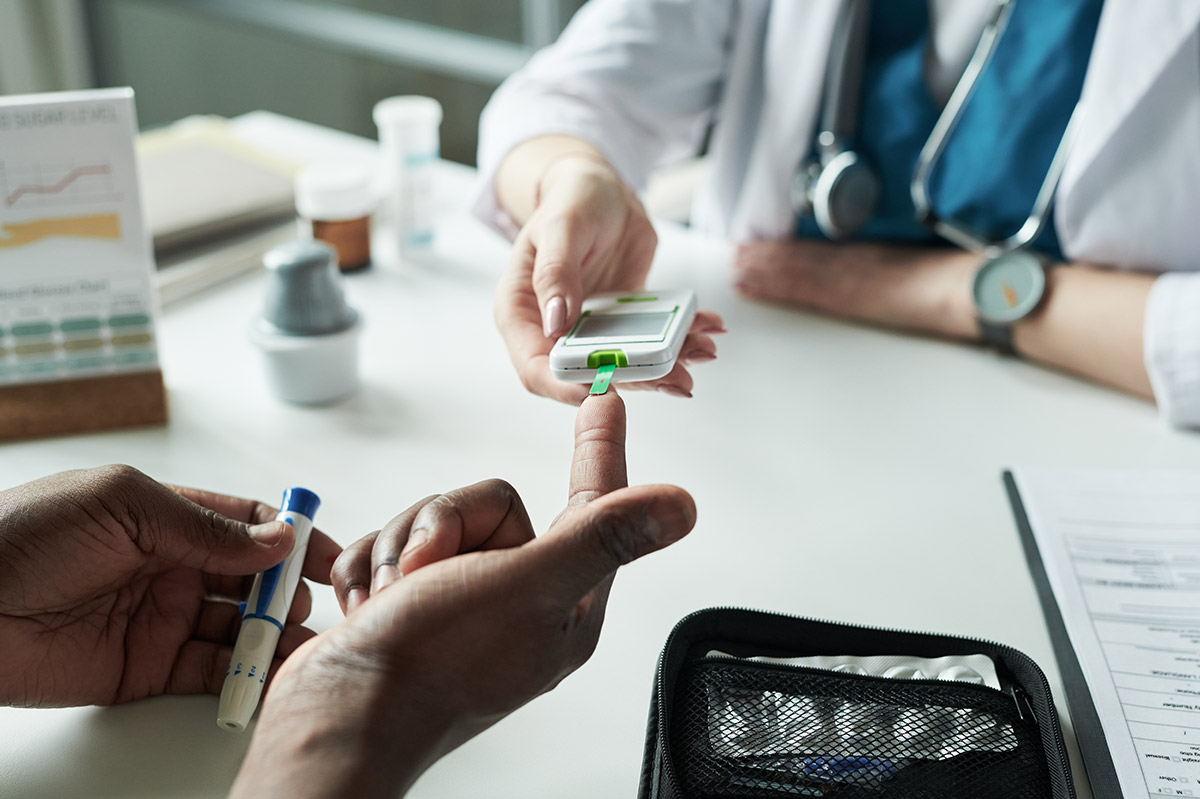
Doctor checking a female patient's blood at Townsen Physician Group in Houston

Diabetes Management Services

Blood Glucose Management

Blood sugar control is one of the most important parts of diabetes care. Your provider can help you review home glucose readings, identify patterns, and make care recommendations based on your overall health.

A1C Lab Monitoring

A1C testing helps show your average blood sugar over the past few months. As part of diabetes management in Houston, your PCP may recommend routine A1C labs to monitor progress and guide treatment decisions.

Medication Adjustment

Diabetes medication needs can change over time. Your provider can review your current medications, discuss side effects, adjust dosages when appropriate, and help determine whether additional treatment options may be needed.

Nutritional Counseling

Food choices affect blood sugar levels every day. Your provider can offer practical nutrition guidance that supports better glucose control without making your plan feel overwhelming.

Exercise Guidance

Regular movement can help support blood sugar control, heart health, weight management, and overall wellness. Your PCP can help you choose safe, realistic activity goals based on your age, health history, and current fitness level.

Regular Follow-Ups

Diabetes management is ongoing. Regular visits help your provider monitor A1C levels, review medications, discuss lifestyle changes, and watch for potential complications.

    Diabetes Management vs. Diabetes Screening

    Diabetes screening and diabetes management serve different purposes. A diabetes screening test is typically a one-time or periodic test used to detect whether a person may have diabetes or prediabetes. It is often part of an annual wellness visit or preventive care appointment.

    Diabetes management is different. It is an ongoing care relationship for patients who have already been diagnosed with diabetes or who need continued support for blood sugar control. A diabetes management doctor in Houston can help with A1C monitoring, medication management, lifestyle counseling, follow-up testing, and referrals when needed.

    If you need testing to determine whether you have diabetes, visit our Diabetes Screening page. If you already have diabetes and need continued care, this page is designed for you.

    Type 1 vs. Type 2 Diabetes:
    How a PCP Supports Ongoing Care

    Type 1 Diabetes

    Type 1 diabetes is often diagnosed earlier in life and typically requires insulin therapy. Patients with Type 1 diabetes may need ongoing care from an endocrinologist, especially for insulin management, technology-based glucose monitoring, or more complex needs. A PCP can still support overall health, preventive screenings, routine labs, and coordination of care.

    Type 2 Diabetes

    Type 2 diabetes is commonly managed in primary care, especially for adult patients. Your PCP may help monitor A1C, prescribe or adjust medications, provide nutrition and exercise guidance, screen for complications, and coordinate referrals if your condition becomes more complex.

    For many adults with Type 2 diabetes, a primary care provider can serve as the main doctor for diabetes management, helping patients stay consistent with treatment and follow-up care.

    Already a patient? Access the Patient Portal here.

    How We Manage Diabetes Long-Term

    Review Your Health History and Current Numbers

    Your provider starts by reviewing your diagnosis, recent lab results, medications, symptoms, family history, blood pressure, cholesterol, kidney function, and any previous diabetes-related concerns.

    Monitor A1C and Blood Sugar Trends

    A1C testing provides a big-picture view of blood sugar control. Your provider may also review home glucose readings or discuss whether additional monitoring is needed.

    Build a Personalized Care Plan

    Diabetes care is not one-size-fits-all. Your plan may include medication, nutrition changes, physical activity goals, weight management, routine labs, and preventive screenings.

    Adjust Medications When Needed

    Over time, diabetes medications may need to be changed based on your A1C, side effects, other health conditions, insurance coverage, or treatment goals. A doctor for diabetes management can help keep your plan current.

    Schedule Regular Follow-Ups

    Follow-up visits help you stay proactive. Your PCP can monitor progress, answer questions, adjust your plan, and identify when a specialist referral may be appropriate.

      Already a patient? Access the Patient Portal here.

      A1C Monitoring and Reference Ranges

      A1C is a blood test that estimates your average blood sugar over the past two to three months. It is one of the most common tools used to monitor diabetes control.

      A1C ResultWhat It May Mean
      Below 5.7%Commonly considered within the normal range
      5.7% to 6.4%May indicate prediabetes
      6.5% or higherMay indicate diabetes
      Individualized goalMany patients with diabetes work toward a personalized A1C goal based on age, health history, and risk factors

      Your A1C goal should be personalized. Some patients may need tighter control, while others may need a more flexible target depending on age, medications, risk of low blood sugar, and other medical conditions.

      A diabetes management doctor in Houston can help interpret your A1C results and explain what they mean for your daily care plan.

      Already a patient? Access the Patient Portal here.

      When to See an Endocrinologist

      Your primary care provider can manage many cases of adult Type 2 diabetes, but some patients may benefit from an endocrinologist. A referral may be recommended if your blood sugar remains uncontrolled despite treatment, if you have frequent low blood sugar episodes, if insulin therapy becomes more complex, or if there are concerns about Type 1 diabetes or other endocrine conditions.

      Your PCP can help determine when specialist care is needed and coordinate that referral while continuing to support your overall health.

      Frequently Asked Questions

      Can a primary care doctor manage my diabetes?

      Yes. Most adults with Type 2 diabetes can be effectively managed by a primary care doctor. Your PCP can monitor your A1C, review blood sugar trends, manage medications, provide lifestyle counseling, and coordinate referrals when specialist care is needed.

      Primary care is often the first place to start for ongoing diabetes management because your PCP can also monitor related health concerns, such as blood pressure, cholesterol, kidney function, weight, and heart health. If your diabetes becomes more complex, your provider can help determine when an endocrinologist should be involved.

      How often should I get my A1C checked?

      Many patients with diabetes should have their A1C checked every three to six months. The right testing schedule depends on your current A1C level, blood sugar control, medication changes, and overall treatment goals.

      If your diabetes is well controlled and your care plan is stable, your provider may recommend A1C testing less often. If your A1C is above target, your medications are being adjusted, or your symptoms have changed, your PCP may recommend more frequent testing to track progress and guide treatment decisions.

      What is a normal A1C level?

      An A1C below 5.7% is commonly considered normal. An A1C between 5.7% and 6.4% may indicate prediabetes, while an A1C of 6.5% or higher may indicate diabetes.

      For adults already diagnosed with diabetes, the ideal A1C goal should be personalized by a provider. Your age, medications, risk of low blood sugar, other medical conditions, and overall health can all affect what A1C target is safest and most appropriate for you.

      When should I see an endocrinologist instead of a PCP?

      You may need to see an endocrinologist if your diabetes is difficult to control, you need complex insulin management, you have frequent low blood sugar episodes, or your provider suspects Type 1 diabetes or another endocrine condition. Your PCP can help decide when a referral is appropriate.

      Many adults with Type 2 diabetes continue to see their primary care doctor even if they are referred to an endocrinologist. In those cases, your PCP may continue managing routine care, preventive screenings, blood pressure, cholesterol, medication refills, and overall health while the specialist helps with more complex diabetes needs.

      What diabetes medications does a PCP typically prescribe?

      A primary care doctor may prescribe common Type 2 diabetes medications such as metformin and other non-insulin options. The medication recommended depends on your A1C, kidney function, weight goals, heart health, side effect risks, insurance coverage, and other medical conditions.

      Your PCP will review your health history before recommending or adjusting diabetes medication. Treatment may also include lifestyle guidance, nutrition changes, exercise goals, blood sugar monitoring, and follow-up A1C testing to see how well your care plan is working.

      Already a patient? Access the Patient Portal here.

      Related Services

      Diabetes often connects with other areas of preventive and chronic care. Patients searching for a doctor for diabetes management may also benefit from:

      Diabetes Screening

      Screening helps identify diabetes or prediabetes in patients who have not yet been diagnosed.

      Cholesterol Management

      Cholesterol and diabetes both affect cardiovascular risk. Managing both can support better long-term heart health.

      Hypertension Care

      High blood pressure is common in patients with diabetes and should be monitored as part of ongoing care.

      Partner With a Doctor for Diabetes Management

      Diabetes management is not just about one lab result. It is about building a long-term care plan that helps you understand your health, reduce complications, and improve quality of life.

      If you need a diabetes management doctor in Houston, Townsen Physician Group is here to help with A1C monitoring, medication support, lifestyle guidance, and regular follow-up care for adult patients.

      Already a patient? Access the Patient Portal here.

      United Care for Patients and Physicians

      Townsen Physician Group brings patients and Houston family physicians together under one shared purpose: compassionate, whole-person care supported by a strong, collaborative medical community. This united mission strengthens trust, elevates care, and creates a healthcare experience where everyone feels empowered.