transparent image for spacing

Houston Uterine Fibroid Embolization

Minimally Invasive Relief from Fibroid Symptoms

Uterine fibroids are a common condition that can cause heavy menstrual bleeding, pelvic pain, bloating, and fatigue. Townsen Physician Group offers Houston uterine fibroid embolization, a minimally invasive option for women seeking relief without surgery. This treatment targets fibroids directly while preserving the uterus and supporting long-term comfort.

Why Houston Trusts Townsen Physician Group
We deliver patient-centered vascular care rooted in precision, experience, and compassion. Every treatment plan begins with careful imaging and clinical evaluation to ensure safety and effectiveness. Patients considering Houston uterine fibroid embolization benefit from our coordinated care and modern technology.

transparent image for spacing
Doctor reassuring woman patient
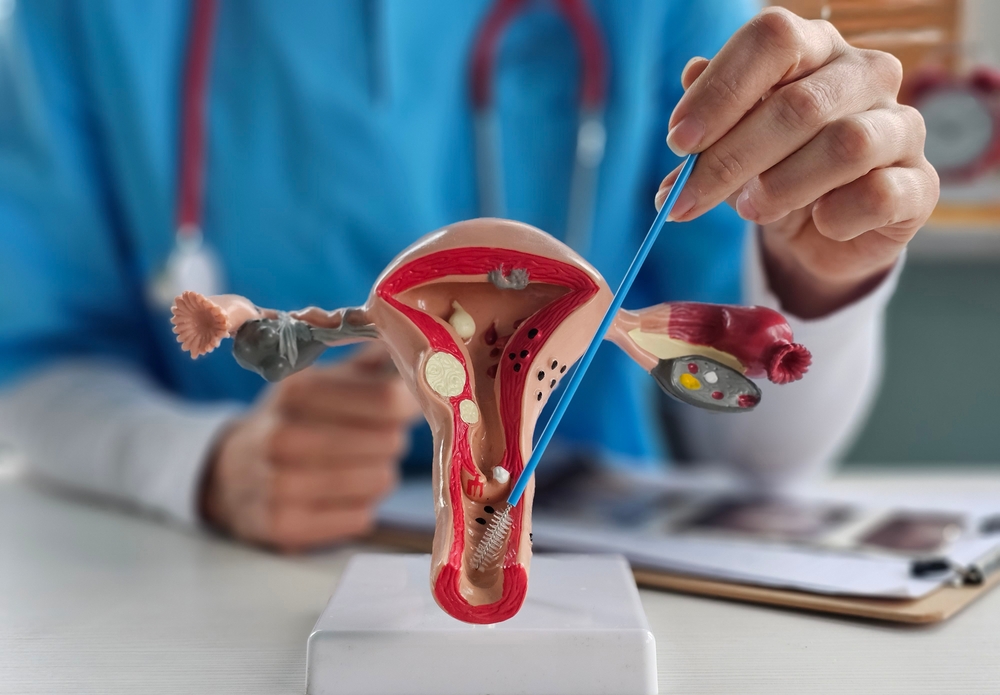
doctor showing uterine anatomical model
transparent image for spacing
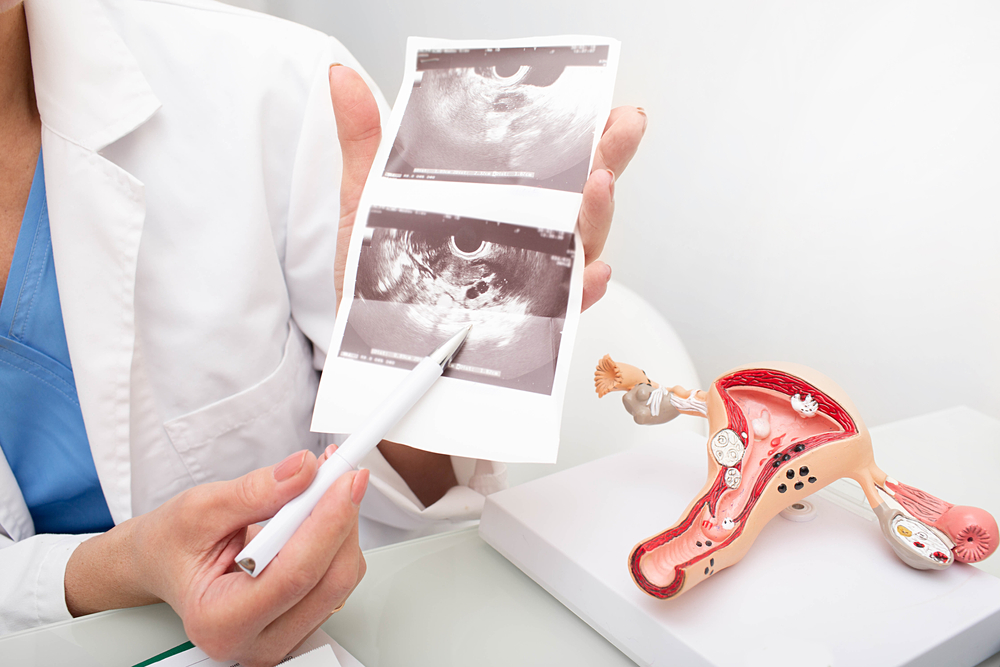
Doctor showing uterus and ovaries ultrasound scan

What is Uterine Fibroid Embolization (UFE)?

A Minimally Invasive Fibroid Treatment

Uterine Fibroid Embolization, often called UFE, is a minimally invasive procedure designed to treat symptomatic uterine fibroids. Rather than removing the uterus or fibroids surgically, the procedure works by reducing blood flow to the fibroids. Without their blood supply, fibroids gradually shrink, easing symptoms over time.

Understanding the
Root Causes of
Fibroid Symptoms

Heart disease often develops due to plaque buildup within the arteries, known as atherosclerosis. Over time, cholesterol deposits and inflammation narrow blood vessels, reducing oxygen-rich blood flow to vital organs. Risk factors such as high blood pressure, diabetes, smoking, and genetics can accelerate this process.

Beyond Physical Symptoms

Living with fibroids can impact more than physical comfort. Chronic bleeding and pain may lead to fatigue, missed work, and emotional stress. Daily activities, exercise, and social plans can feel unpredictable. Treating fibroids effectively can restore confidence, energy, and a sense of control over daily life.

How UFE reduces
Fibroid Growth

UFE addresses the underlying cause by blocking the small arteries that feed the fibroids. Tiny embolic particles are delivered precisely to these vessels, reducing blood flow only to the fibroid tissue. Healthy uterine tissue remains unaffected, allowing symptom relief without compromising surrounding structures.

A Non-Surgical Alternative

Unlike hysterectomy or open surgery, Houston uterine fibroid embolization avoids large incisions, general anesthesia, and extended recovery periods. The procedure is performed through a small catheter, and most patients return home the same day. This approach offers a uterus-preserving option with significantly less downtime.

Who Should Consider UFE

UFE may be an option for women experiencing fibroid-related symptoms who have not found relief through medication or other conservative treatments. It is also suitable for patients who wish to avoid surgery or are not ideal surgical candidates due to medical history or personal preference. A thorough evaluation helps determine if this treatment is appropriate.

Long-Term Symptom Improvement

By shrinking fibroids and reducing their blood supply, Houston uterine fibroid embolization aims to provide lasting relief rather than temporary symptom management. Many patients report lighter menstrual cycles, reduced pelvic pressure, and improved comfort within weeks to months after treatment.

Already a patient? Access the Patient Portal here.

transparent image for spacing

Testing and Treatment for Uterine Fibroid Embolization (UFE)

Pre-Treatment Evaluation

Pre-Treatment Evaluation

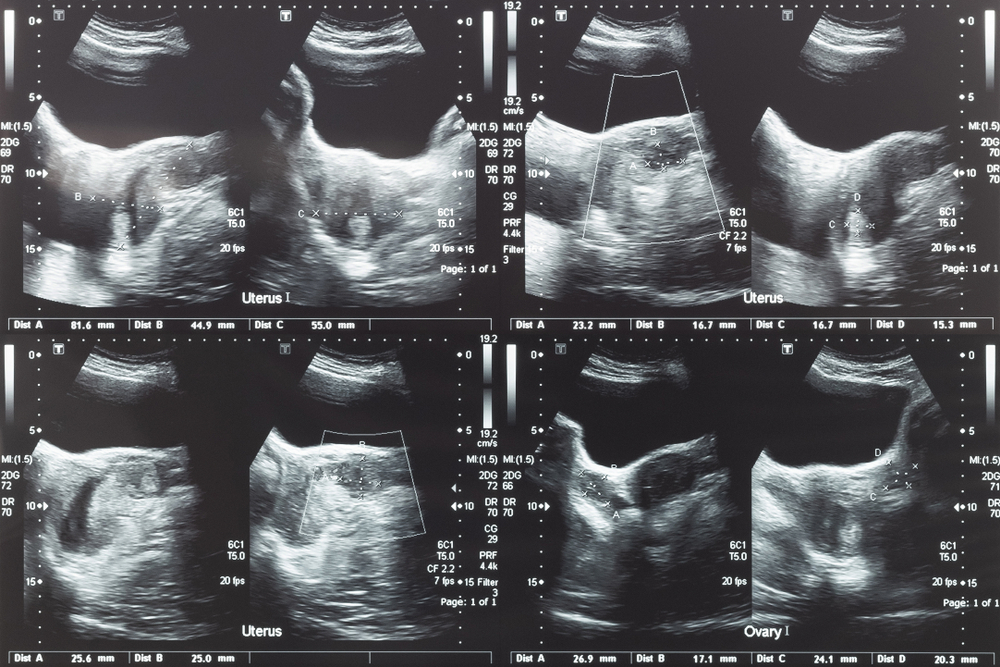
Before treatment, patients undergo a detailed evaluation to confirm fibroids as the cause of symptoms. Imaging studies, such as ultrasound or MRI, are used to assess fibroid size, location, and blood supply. This step ensures that UFE is both safe and effective for each individual case.
Vascular Health Assessment

Vascular Health Assessment

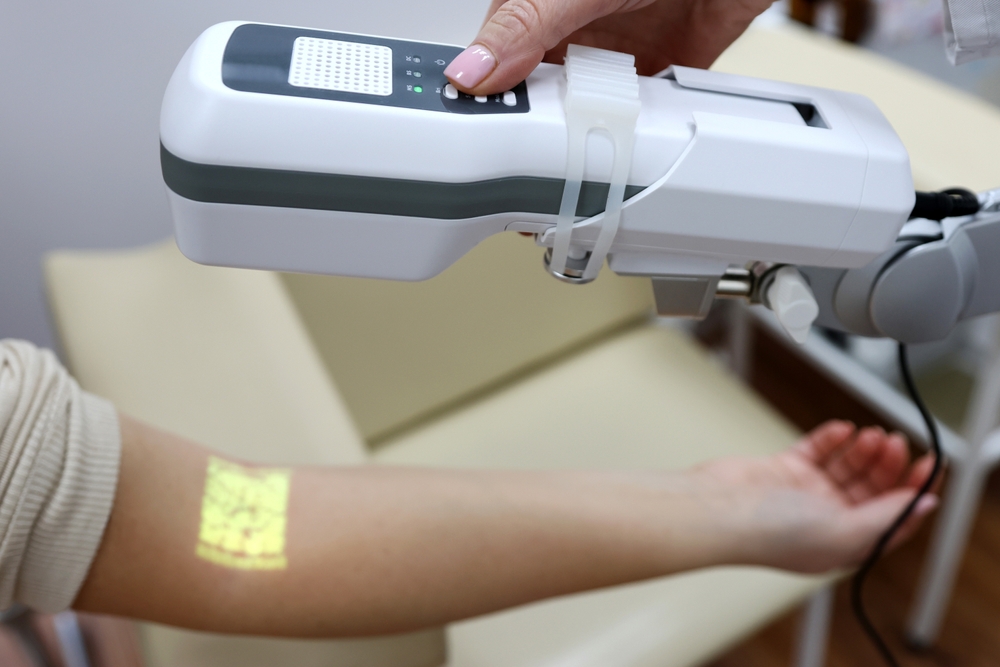
A comprehensive vascular assessment is part of the planning process. This evaluation helps identify circulation-related factors that may influence treatment and supports precise procedural planning tailored to each patient’s anatomy and health profile.
The UFE Procedure

The UFE Procedure

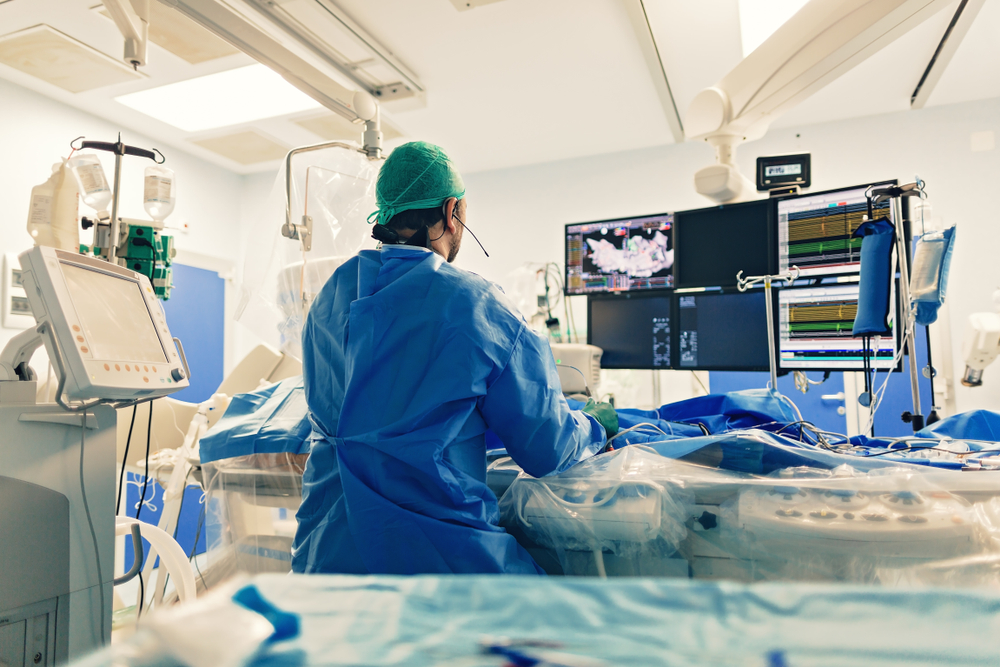
During the procedure, a small catheter is guided through the blood vessels using real-time imaging. Embolic particles are carefully delivered to the arteries supplying the fibroids. This targeted approach reduces fibroid blood flow while maintaining healthy circulation to the uterus.

Post-Procedure Care and Recovery

Post-Procedure Care and Recovery

Recovery after UFE is typically straightforward. Most patients resume light activity within a few days, with follow-up care focused on symptom improvement and long-term uterine health. Ongoing monitoring ensures progress and addresses any concerns during recovery.

    male doctor congratulating a new medical hire
    Transparent Image For Spacing

    Moving Forward with Greater Comfort and Confidence

    Uterine fibroids do not have to dictate daily life. For women seeking non-surgical solutions, Houston uterine fibroid embolization provides a modern, minimally invasive pathway to lasting symptom relief.

    By addressing fibroids at their source, this treatment offers renewed comfort and improved quality of life. Book a consultation with Townsen Physician Group to help determine whether this approach is the right next step.

    Already a patient? Access the Patient Portal here.

    Transparent Image For Spacing

    United Care for Patients and Physicians

    Townsen Physician Group brings patients and Houston family physicians together under one shared purpose: compassionate, whole-person care supported by a strong, collaborative medical community. This united mission strengthens trust, elevates care, and creates a healthcare experience where everyone feels empowered.