




































""

Kidney Disease Doctor Near You

Catch Kidney Disease While It Is Still Early

Kidney function can decline for years without noticeable symptoms, which is why routine bloodwork often catches chronic kidney disease before a patient feels unwell. Townsen Physician Group works with patients searching for a kidney disease doctor near you to monitor function and slow disease progression.

Doctor Hands Checking on Patients Back
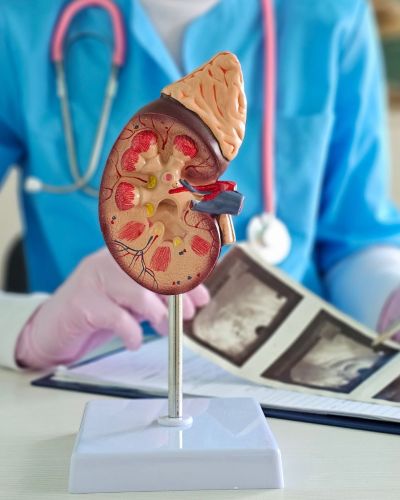
Female Doctor Showing Kidney Model
Female Ultrasound Specialist Checking on Patients Kidneys

Why Choose Townsen Physician Group

Monitoring Kidney Function Before Symptoms Appear

Chronic kidney disease often progresses silently for years, which is why Townsen Physician Group builds kidney function monitoring into routine bloodwork for patients with relevant risk factors. Tracking creatinine and other markers over time allows us to catch a downward trend early, when lifestyle and medication adjustments can still meaningfully slow progression, rather than discovering the disease only after significant function has already been lost.

Managing the Conditions That Drive Kidney Decline

Diabetes and high blood pressure are the leading causes of chronic kidney disease, and Townsen Physician Group manages both conditions as part of your kidney care rather than treating them separately. Keeping blood sugar and blood pressure within a healthy range is often one of the most effective ways to protect remaining kidney function, which makes coordinated management more effective than addressing each condition in isolation.

Coordinated Referral When Nephrology Is Needed

Primary care can manage many early and moderate cases of chronic kidney disease, but advanced stages or rapid decline generally call for a nephrologist's input. When that is the case, Townsen Physician Group coordinates the referral directly, sharing your lab history and treatment record so the specialist visit builds on what we already know, rather than starting the evaluation over from the beginning.

Everything You Need to Know Before Your Visit

What Is Chronic Kidney Disease?

Chronic kidney disease means a gradual, long-term loss of kidney function, most often caused by diabetes, high blood pressure, or both over many years.

Patients searching for a kidney disease doctor near you are often managing a related condition like diabetes and want to understand how it may be affecting their kidney function over time.

Signs to Watch For

Early chronic kidney disease often causes no noticeable symptoms at all, which is part of why routine screening matters for patients with relevant risk factors.

  • Swelling in the legs, ankles, or feet
  • Fatigue that does not improve with rest
  • Changes in urination frequency or appearance
  • Difficulty concentrating
  • Persistent nausea, in more advanced cases

What a Kidney Function Test Measures

A kidney function test near you typically checks a few key markers to assess how well your kidneys are currently working.

  • Creatinine levels and estimated GFR
  • Urine albumin, to check for early protein leakage
  • Blood pressure
  • Review of medications that could affect kidney function

Risk Factors to Know

Certain factors increase the likelihood of developing chronic kidney disease over time.

  • Diabetes
  • High blood pressure
  • Family history of kidney disease
  • Age over 60
  • Cardiovascular disease

Early Treatment Options

Early kidney disease treatment focuses on slowing progression rather than reversing damage that has already occurred, since kidney tissue does not regenerate.

  • Blood pressure and blood sugar management
  • Medication review to avoid drugs that stress the kidneys
  • Dietary guidance, particularly around sodium and protein
  • Regular follow-up bloodwork to track trends over time

Chronic kidney disease management is an ongoing process built around regular monitoring, not a single diagnosis and a one-time conversation.

What to Expect During Your Visit

Your kidney function visit at Townsen Physician Group is built around tracking trends over time, not just a single result, which is the approach any kidney disease doctor near you should take.

Bloodwork review

Your provider reviews your creatinine, eGFR, and other relevant markers.

Risk factor discussion

We talk through diabetes, blood pressure, and other contributing factors.

Medication review

We check whether any current medications could be affecting kidney function.

Follow-up plan

You leave with a monitoring schedule and any needed lifestyle recommendations.

    Already a patient? Access the Patient Portal here.

    A Look Inside Our Practice

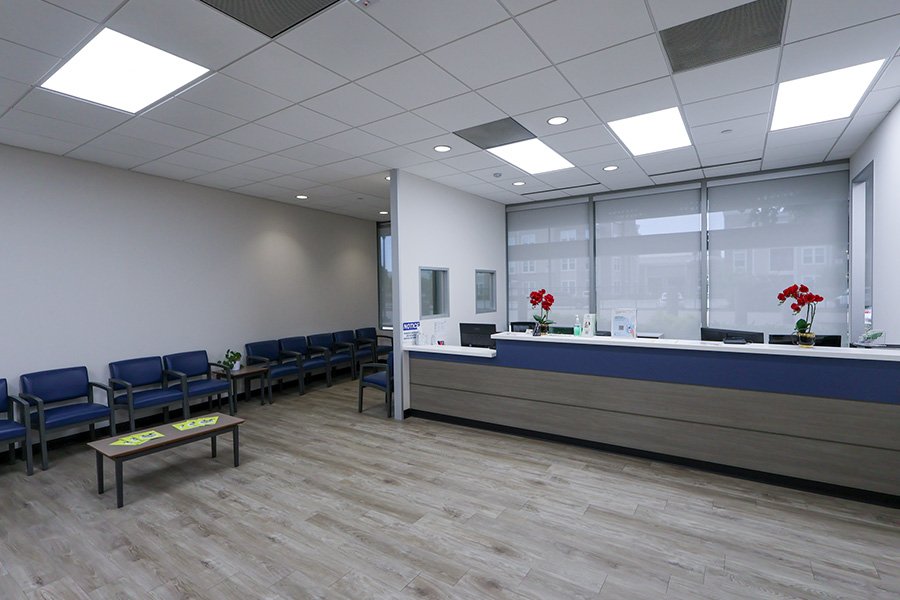
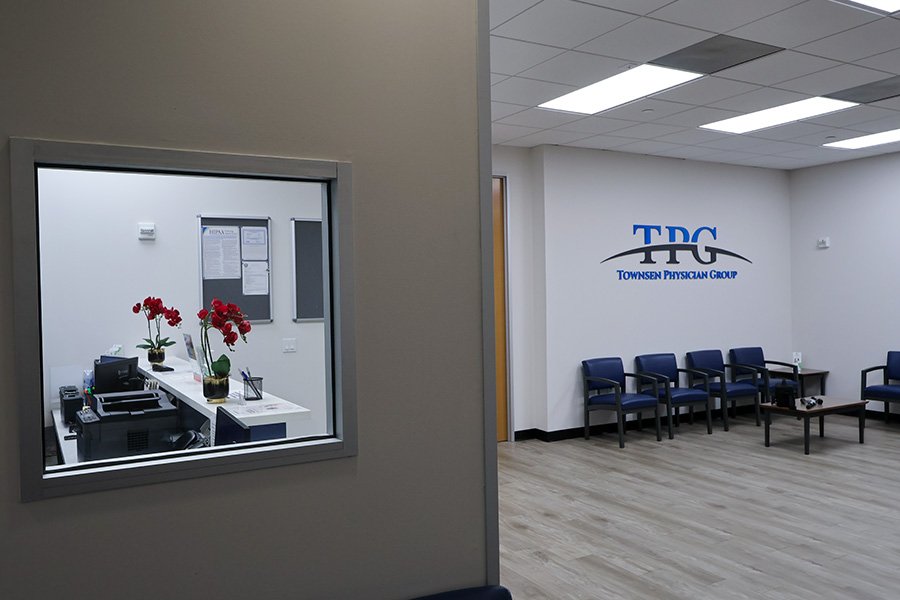
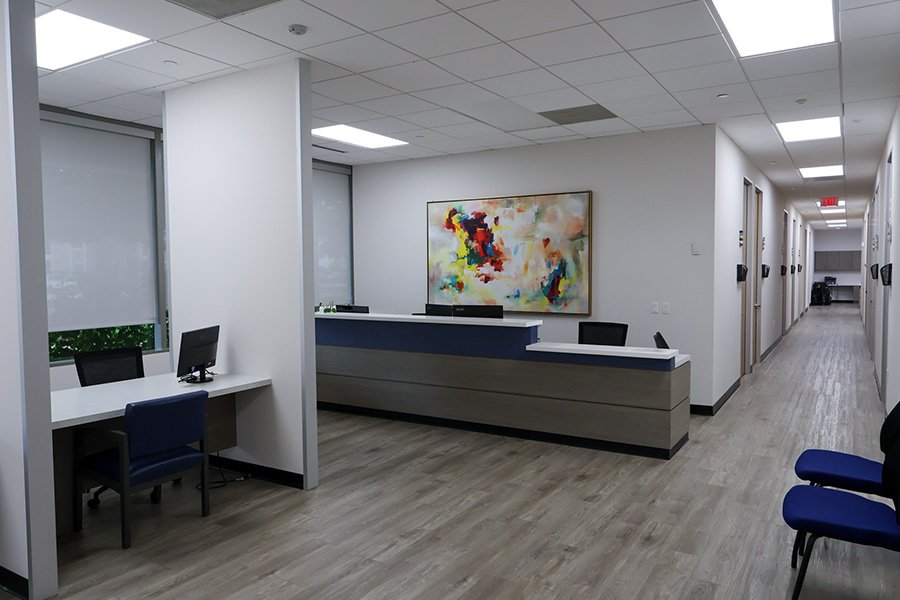
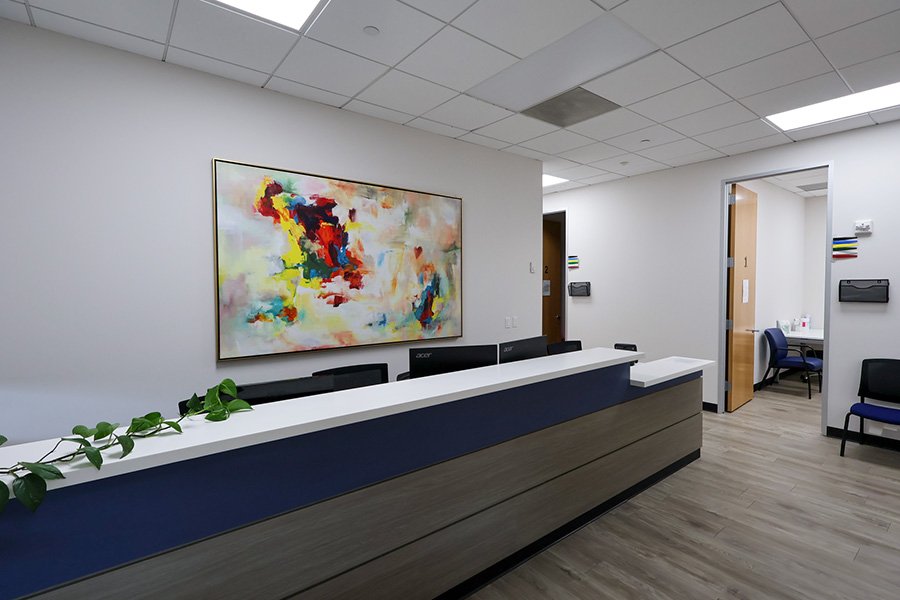
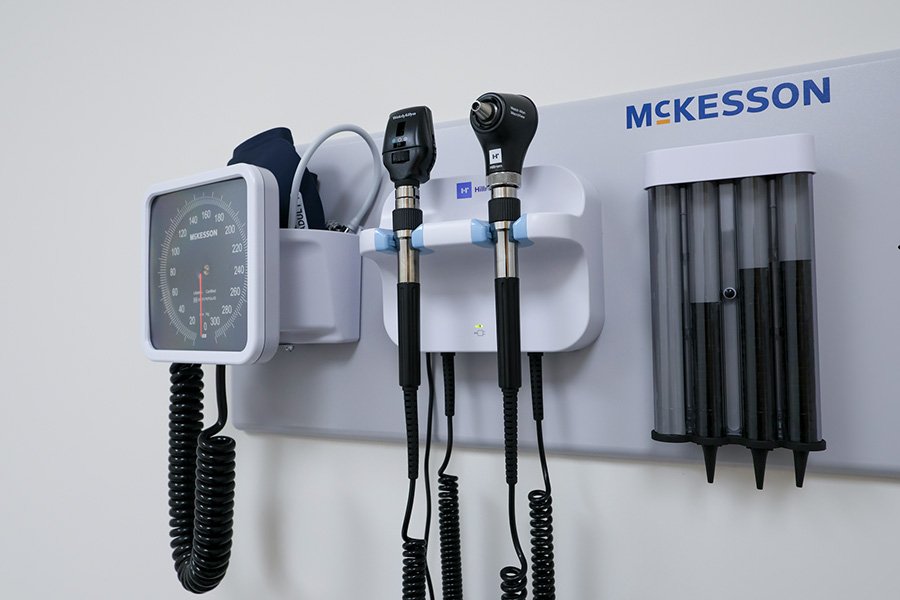
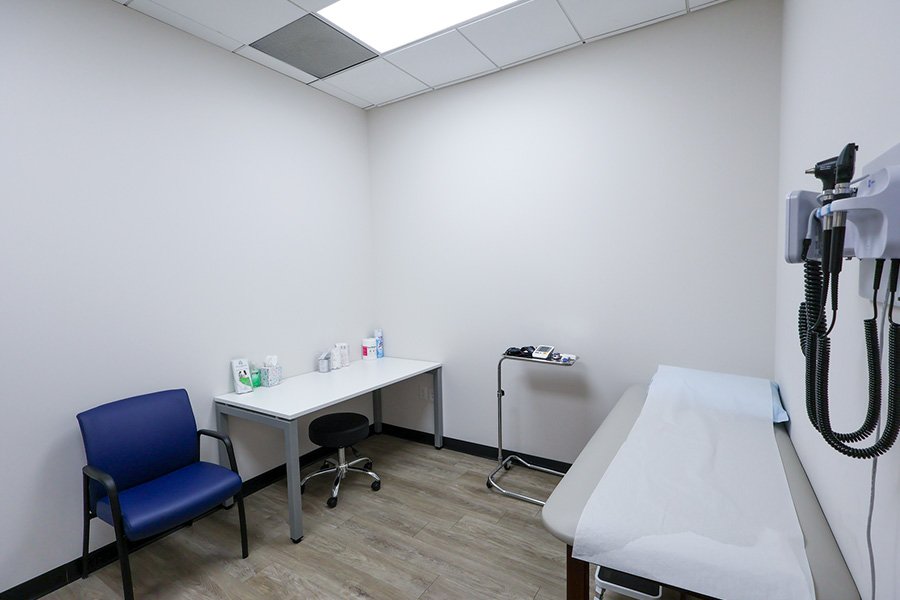
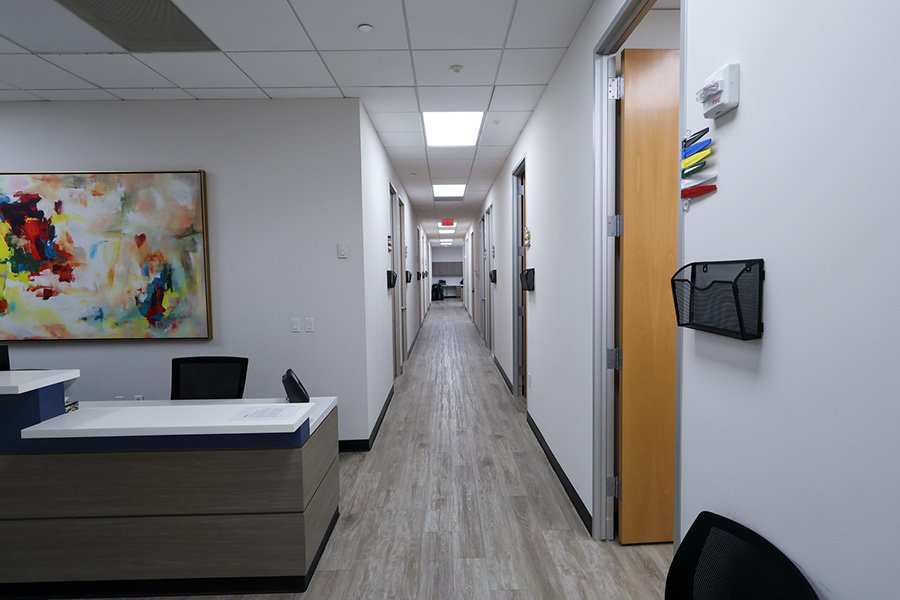
    Take a look inside Townsen Physician Group. These photos capture our care team, our Houston office, and the day-to-day moments that make each patient visit feel personal, calm, and welcoming.

    Townsen-Clinic-Hall
    Townsen-Clinic-Lobby
    Townsen-Clinic-Lobby2
    Townsen-Clinic-Lobby3
    Townsen-Clinic-Lobby4
    Townsen-Clinic-Lobby5
    Townsen-Clinic-Lobby6
    Townsen-Clinic-Medical-Instruments
    Townsen-Clinic-Office-Lobby
    Townsen-Clinic-Office

      Frequently Asked Questions

      How do I find a kidney disease doctor near you for routine monitoring?

      Townsen Physician Group builds kidney function monitoring into routine bloodwork for patients with relevant risk factors, such as diabetes or high blood pressure, rather than waiting for symptoms to appear.

      You can call our office directly or book online through our patient portal. Our front desk team will confirm your insurance ahead of time, so your visit can focus on your risk factors and current health picture.

      What does a kidney function test near you actually measure?

      A kidney function test near you typically measures creatinine levels and estimated GFR, which reflect how efficiently your kidneys are filtering waste from your blood, along with urine albumin to check for early protein leakage.

      Your physician will interpret these results alongside your broader health history and risk factors, rather than looking at a single number in isolation, to get an accurate picture of your kidney health.

      What does early kidney disease treatment typically involve?

      Early kidney disease treatment generally focuses on managing the conditions driving decline, particularly diabetes and high blood pressure, along with reviewing medications that could place additional stress on the kidneys.

      Dietary adjustments, particularly around sodium and protein intake, may also be part of the plan, along with regular follow-up bloodwork to confirm whether the current approach is slowing progression as intended.

      What does chronic kidney disease management look like long term?

      Chronic kidney disease management is an ongoing process involving regular bloodwork, blood pressure and blood sugar control, and periodic reassessment of your treatment plan as your numbers change over time.

      Your physician will schedule follow-up visits based on your specific stage and risk factors, adjusting your plan as needed and coordinating a nephrology referral if your case progresses beyond what primary care typically manages.

      What are the stages of chronic kidney disease?

      Chronic kidney disease is generally classified into five stages based on estimated GFR, ranging from mild reduction in function at stage one to kidney failure at stage five, which typically requires dialysis or transplant.

      Most patients managed through primary care are in the earlier stages, where lifestyle changes and management of underlying conditions can meaningfully slow how quickly the disease progresses.

      Can chronic kidney disease be reversed?

      Kidney tissue generally does not regenerate, so existing damage typically cannot be fully reversed. However, treatment can often slow or stabilize further decline, particularly when caught in earlier stages.

      This is part of why early detection matters so much. Catching reduced kidney function before significant damage occurs gives treatment the best chance of preserving remaining function over the long term.

      How often should I get my kidney function checked?

      Patients with risk factors like diabetes or high blood pressure are often screened annually, or more frequently if previous results showed early signs of declining function.

      Your physician will recommend a specific testing schedule based on your individual risk factors and any prior results, rather than applying the same frequency to every patient regardless of their situation.

      When does kidney disease need a nephrologist?

      Primary care can manage many early and moderate cases of chronic kidney disease, but advanced stages, rapidly declining function, or complex cases generally benefit from a nephrologist's specialized input.

      If your evaluation suggests a referral is appropriate, Townsen Physician Group coordinates that directly, sharing your lab history so your nephrologist has full context from your very first visit.

      Is Townsen Physician Group a good kidney disease doctor near you if I already have diabetes?

      Yes. Diabetes is one of the leading causes of chronic kidney disease, and Townsen Physician Group manages both conditions together rather than treating kidney monitoring as a separate, disconnected service.

      Keeping your blood sugar well controlled is one of the most effective ways to protect kidney function, so coordinated management between these two conditions often produces better outcomes than managing them apart.

      Do you accept insurance for kidney function testing?

      Townsen Physician Group works with a broad network of insurance providers, including Aetna, United Healthcare, BlueCross BlueShield, Medicare, HealthSmart, Cigna, and Superior HealthPlan.

      Our front desk team can verify your specific coverage before your visit, so you understand what to expect and can avoid any billing surprises related to bloodwork or follow-up testing.

      Already a patient? Access the Patient Portal here.

      ""

      Schedule Your Kidney Function Evaluation

      At Townsen Physician Group, every visit is guided by the same promise: honest care, clear communication, and outcomes that put you first. From routine kidney function monitoring to coordinated care for diabetes and blood pressure, our team helps protect your kidney health for the long run. Looking for a kidney disease doctor near you who catches problems early? Book your appointment with Townsen Physician Group today.

      Already a patient? Access the Patient Portal here.

      United Care for Patients and Physicians

      Townsen Physician Group brings patients and Houston family physicians together under one shared purpose: compassionate, whole-person care supported by a strong, collaborative medical community. This united mission strengthens trust, elevates care, and creates a healthcare experience where everyone feels empowered.